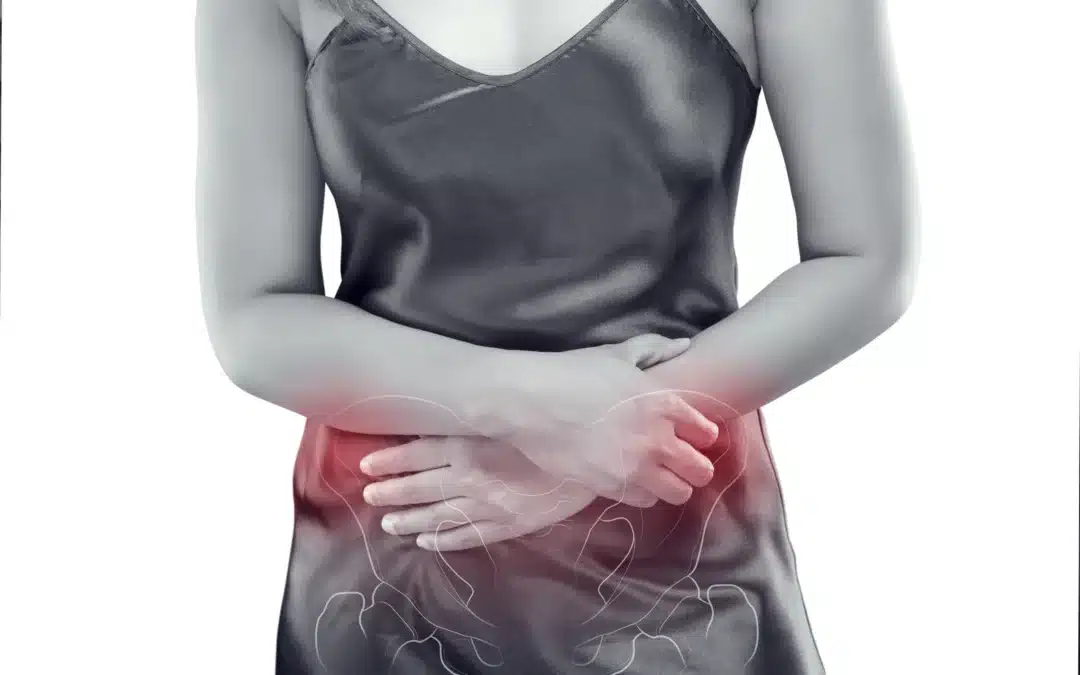
RenuO2 vs PRP: Which Non-Surgical Pain Treatment Is Right for You?

RenuO2 vs PRP: Which Non-Surgical Pain Treatment Is Right for You?

When dealing with chronic pain, understanding the choice of RenuO2 vs PRP is essential for many patients. While both options are highly effective non-surgical pain treatments, they work in very different ways. Whether you are seeking RenuO2 treatment for long-term healing or considering traditional injections, the right choice depends on your specific condition, pain location, and comfort level.

At Denali Speciality Clinic, we believe patients deserve clear, honest information to make confident treatment decisions. This guide breaks down RenuO2 vs PRP to help you understand which option may be better for your pain.

Understanding PRP Therapy

PRP (Platelet-Rich Plasma) Therapy is a regenerative treatment that uses your own blood to stimulate healing.

How PRP Works

  • A blood sample is drawn from the patient

  • The blood is processed to concentrate platelets

  • Platelet-rich plasma is injected into the painful area

  • Growth factors help stimulate tissue repair

PRP is commonly used for specific tendon or ligament injuries, particularly in sports medicine and orthopedics. However, it involves injections and may cause temporary soreness after treatment.

What Is RenuO2 Therapy?

RenuO2 Therapy is an advanced, non-invasive oxygen-based treatment designed to enhance healing at the cellular level — without needles or injections.

This therapy improves oxygen delivery to injured or inflamed tissues, helping reduce pain, inflammation, and muscle tension while supporting natural regeneration.

👉 Learn more about RenuO2 Therapy

Key Characteristics of RenuO2

  • No blood draw

  • No injections

  • No downtime

  • Suitable for multiple pain areas

  • Focuses on cellular oxygenation and repair

RenuO2 vs PRP: Key Differences

Including a comparison table significantly improves SEO and helps patients make faster decisions.

Feature PRP Therapy RenuO2 Therapy
Procedure Injections (blood draw required) Non-invasive oxygen therapy
Pain During Treatment Moderate (needle discomfort) Minimal to none
Recovery Time 24–48 hours of soreness Zero downtime
Mechanism Growth factors from platelets Cellular oxygenation & tissue repair
Treatment Area Localized injection site Can cover larger areas
Best For Specific tendon or ligament tears Joint, neck, and back pain
Invasiveness Minimally invasive Completely non-invasive


Which Is Better for Your Pain?

The choice between RenuO2 vs PRP depends on where your pain is coming from and how your body responds to treatment.


RenuO2 Therapy for Knee Pain

For patients with knee pain, inflammation, or early joint degeneration, RenuO2 Therapy may be preferred because:

  • It improves blood flow to the entire joint

  • Reduces inflammation without injections

  • Supports cartilage and joint tissue health

  • Ideal for patients avoiding needles

PRP may still be helpful in cases involving specific ligament or tendon damage, but RenuO2 offers a broader, gentler approach.

RenuO2 Therapy for Neck Pain & Back Pain

Neck and back pain often involve muscle tightness, nerve irritation, and poor circulation — areas where RenuO2 Therapy excels.

Advantages over PRP include:

  • Treats larger muscle groups without multiple injections

  • No risk of injection-related soreness

  • Helps relieve headaches and radiating arm pain

  • Ideal for chronic stiffness and posture-related pain

For these areas, RenuO2 Therapy often provides more comfort and consistency than PRP.

Final Verdict: RenuO2 vs PRP

There is no one-size-fits-all answer.

  • PRP Therapy is effective for targeted tissue injuries and certain orthopedic cases

  • RenuO2 Therapy is ideal for patients seeking a non-invasive, needle-free solution for joint, neck, and back pain

The best way to choose is through a professional evaluation.

At Denali Speciality Clinic, our specialists assess your condition carefully and recommend the most appropriate non-surgical pain treatment based on science, safety, and your personal comfort.

Take the Next Step

If you’re unsure whether RenuO2 or PRP is right for you, schedule a consultation at Denali Speciality Clinic. Our expert team will guide you toward the safest and most effective path to long-term pain relief — without surgery.

Knee Pain Without Surgery: Effective Solutions to Help You Move Comfortably Again

Knee Pain Without Surgery: Effective Solutions to Help You Move Comfortably Again

Living with knee pain can affect every part of your daily life — from walking and climbing stairs to enjoying simple activities with family. If you’ve been told that surgery might be your only option, it’s normal to feel worried or overwhelmed.
The good news is that Knee Pain Treatment Without Surgery is not only possible, but increasingly effective thanks to advanced medical treatments.

At Denali Specialty Clinic, we focus on safe, evidence-based solutions designed to relieve pain, restore mobility, and help you return to an active lifestyle — without the risks and downtime of surgery.

Why Choose Knee Pain Treatment Without Surgery?

Choosing Knee Pain Treatment Without Surgery offers many advantages, especially for patients who want relief without invasive procedures.
Non-surgical treatments are often recommended when knee pain is caused by:

  • Osteoarthritis
  • Cartilage wear and tear
  • Sports or overuse injuries
  • Inflammation of the knee joint
  • Chronic knee stiffness and discomfort

Benefits of Non-Surgical Knee Pain Treatment

  • Lower risk: No surgical complications or anesthesia risks
  • Minimal downtime: Return to daily activities faster
  • Natural healing: Encourages the body’s own repair mechanisms
  • Personalized care: Treatment plans tailored to your condition

For many patients, Knee Pain Treatment Without Surgery provides lasting relief while preserving joint health.

Non-Surgical Treatment for Knee Pain: Modern Medical Options

Advances in regenerative medicine have transformed non-surgical treatment for knee pain, offering solutions that go beyond temporary pain relief.

These treatments focus on:

  • Reducing inflammation
  • Improving blood flow
  • Supporting cartilage and joint repair
  • Enhancing joint mobility

At Denali Specialty Clinic, we evaluate your knee condition carefully to determine the most effective non-surgical treatment for knee pain based on your symptoms, lifestyle, and medical history.

RenuO2 Therapy: A Revolution in Non-Surgical Treatment

One of the most advanced options we offer for Knee Pain Treatment Without Surgery is RenuO2 Therapy — an innovative oxygen-based regenerative treatment.

RenuO2 Therapy uses controlled oxygen delivery to stimulate healing at the cellular level. This approach targets the root cause of knee pain rather than simply masking symptoms.

How RenuO2 Supports Knee Healing

  • Enhances oxygen supply to damaged tissues
  • Promotes cartilage repair
  • Reduces joint inflammation
  • Improves overall joint function

As a leading non-surgical treatment for knee pain, RenuO2 Therapy is especially effective for patients with chronic knee pain who want long-term improvement without surgery.

How RenuO2 Works for Knee Joints

RenuO2 Therapy follows a precise, patient-centered process:

  1. Comprehensive Evaluation
    Your knee condition is assessed using advanced diagnostics to ensure the treatment is appropriate.
  2. Targeted Oxygen Therapy
    Medical-grade oxygen is delivered to the affected knee joint to stimulate tissue regeneration.
  3. Inflammation Reduction
    Oxygen helps reduce swelling and supports natural anti-inflammatory processes.
  4. Progressive Healing
    Over time, patients experience reduced pain, improved flexibility, and better joint stability.

This method allows patients to experience Knee Pain Treatment Without Surgery while supporting long-term joint health.

Why Denali Specialty Clinic for Knee Pain?

When it comes to non-surgical treatment for knee pain, choosing the right medical provider is essential.
At Denali Specialty Clinic, we are committed to combining advanced medical technology with compassionate patient care.

What Sets Us Apart

  • Advanced medical technology for accurate diagnosis and treatment
  • Evidence-based results backed by modern regenerative medicine
  • Experienced medical team specializing in non-surgical joint care
  • Patient-focused approach that prioritizes comfort, safety, and outcomes

Our goal is not just pain relief — but helping you regain confidence in movement and quality of life through Knee Pain Treatment Without Surgery.

Is Knee Pain Treatment Without Surgery Right for You?

If knee pain is limiting your mobility or affecting your daily routine, you don’t have to rush into surgery. Many patients find that non-surgical treatment for knee pain provides effective, lasting relief when started early.

You may be a good candidate if:

  • Your knee pain is persistent but manageable
  • You want to avoid surgery or delay it
  • You are looking for natural, regenerative solutions
  • You value a personalized, medical approach

Take the First Step Toward Pain-Free Movement

You deserve to walk, move, and live without constant knee pain. With today’s advanced treatments, Knee Pain Treatment Without Surgery is no longer just an option — it’s a proven solution for many patients.
At Denali Specialty Clinic, our team is here to guide you every step of the way with expert care and genuine compassion.
Schedule a consultation today to learn how non-surgical solutions like RenuO2 Therapy can help you move comfortably again — without surgery.

What Is RenuO2 Therapy and How Does It Work?

What Is RenuO2 Therapy and How Does It Work?

RenuO2 therapy is an advanced regenerative treatment designed to help the body heal damaged joints, ligaments, and soft tissues naturally—without surgery. It works by delivering a powerful combination of nutrients, minerals, oxygen, and activated (empowered) oxygen directly into injured or degenerated areas, where healing is normally slow or impossible.

Unlike muscles, tissues such as cartilage, ligaments, and joint structures have very little blood supply. This means they receive very little oxygen and nutrients, which are critical for tissue repair. That’s why joint injuries and chronic pain often never fully heal on their own. RenuO2 therapy solves this problem by delivering oxygen and healing nutrients directly into the damaged tissue, activating the body’s natural repair process.

How Does RenuO2 Therapy Work?

RenuO2 therapy works by injecting a highly concentrated blend of oxygen and healing compounds into areas of injury. This does several important things:

  • Increases oxygen levels in damaged tissue
    • Reduces inflammation
    • Stimulates cellular repair
    • Improves circulation in areas with poor blood flow
    • Encourages regeneration of cartilage and connective tissue

Oxygen is essential for healing. When tissues are oxygen-deprived, inflammation increases and degeneration accelerates. By restoring oxygen at the cellular level, RenuO2 therapy allows the body to repair itself in a way that pain medications, steroid injections, and surgery cannot.

RenuO2 Therapy for Knee Pain

RenuO2 therapy for knee pain is especially effective because knee joints have very poor blood flow. Conditions like arthritis, cartilage wear, meniscus damage, and ligament injuries often worsen because the tissue cannot regenerate on its own.

RenuO2 injections:
• Deliver oxygen directly to knee cartilage
• Reduce swelling and inflammation
• Support cartilage repair
• Improve mobility and flexibility
• Help patients avoid knee replacement surgery

Many patients experience reduced pain and improved function after a series of treatments.

RenuO2 Therapy for Neck and Back Pain

RenuO2 therapy for neck and back pain targets the root cause of chronic discomfort—degeneration and inflammation of discs, ligaments, and surrounding tissues.

It helps by:
• Reducing nerve compression
• Improving spinal tissue oxygenation
• Repairing damaged ligaments
• Decreasing muscle and joint inflammation

This makes it an effective alternative to surgery, steroid injections, and long-term pain medication.

RenuO2 Therapy for Shoulder Pain

Shoulder pain is often caused by rotator cuff injuries, tendon damage, or joint inflammation. These tissues heal very slowly due to limited blood supply.

RenuO2 therapy for shoulder pain:
• Delivers oxygen directly into damaged tendons
• Reduces stiffness and swelling
• Speeds up tissue regeneration
• Improves range of motion

This allows patients to recover naturally without invasive procedures.

RenuO2 Therapy for Joint Pain

RenuO2 therapy for joint pain treats pain at its source instead of masking symptoms. It is effective for hips, elbows, wrists, knees, shoulders, and other joints.

Benefits include:
• Long-term pain relief
• Improved joint lubrication
• Reduced inflammation
• Regeneration of damaged tissue
• Delayed or avoided surgery

It is especially helpful for arthritis, sports injuries, and chronic joint degeneration.

Why Choose RenuO2 Therapy Instead of Surgery?

Surgery removes or replaces damaged tissue, but it does not restore natural joint health. RenuO2 therapy works differently—it helps your body rebuild and repair what is damaged.

RenuO2 therapy offers:
• No surgery
• No long recovery time
• No general anesthesia
• Lower risk
• Natural healing

This makes it an excellent option for patients who want to heal without going under the knife.

Get RenuO2 Therapy at Denali Specialty Clinic

At Denali Specialty Clinic, the doctors specialize in advanced regenerative and alternative medicine treatments, including RenuO2 therapy for knee pain, neck and back pain, shoulder pain, and joint pain.

The medical team at DenaliMed.com evaluates each patient individually and creates a personalized treatment plan to help you heal naturally and avoid surgery whenever possible.

If you are suffering from chronic pain or joint problems, Denali Specialty Clinic offers cutting-edge RenuO2 therapy designed to restore function, reduce pain, and help your body heal the way it was meant to.

Simple Self-Care Practices To Implement In 2026 For Optimal Wellness

Simple Self-Care Practices To Implement In 2026 For Optimal Wellness

knee surgery vs injections

Before diving into specific practices, it’s essential to understand what self-care truly means. Self-care involves activities and practices that we do deliberately to take care of our mental, emotional, and physical health. Though it’s a simple concept in theory, it’s something we often overlook in our daily lives. In an era where productivity is often prioritized over personal well-being, self-care acts as a reminder to pause and prioritize oneself.


Summary

Self-care is a personalized, evolving practice that supports mental, emotional, physical, and spiritual well-being. This guide offers enjoyable ideas and routines—from crafting, journaling, meditation, and exercise to home spa days, reading nooks, mindful breathing, and more—plus suggestions for nature retreats, cultural outings, and digital detoxes. It organizes options into fun, routine-based, physical, at-home, and full-day practices, and highlights emotional, mental, and spiritual forms of self-care. Start small, be consistent, and tailor choices to your needs in 2026 for sustainable, balanced wellness.


What Does Self-Care Look Like?

Self-care can vary greatly from person to person. For some, it might mean taking a quiet walk in the park, while for others, it might involve a rigorous workout session. The key is to find what works best for you and integrate those activities into your routine. It’s important to recognize that self-care is not a one-size-fits-all solution. It requires introspection and experimentation to discover what truly rejuvenates and recharges you. As you explore different activities, keep an open mind and allow yourself the flexibility to change your self-care practices as your needs evolve.


Fun Self-Care Ideas

One of the best ways to keep up with self-care is to make it enjoyable. By incorporating fun and engaging activities into your routine, self-care can become something you look forward to rather than a chore. Here are some fun self-care ideas that you can try:


Self-Care Activities for Adults

  1. Crafting and DIY Projects: Engaging in creative activities like painting, knitting, or building something can be incredibly therapeutic. These activities not only provide a sense of accomplishment but also allow you to express your creativity and unwind from the stresses of daily life.
  2. Dance It Out: Put on your favorite music and dance like nobody’s watching. It’s a great way to lift your spirits and get some exercise. Dancing can be a powerful form of expression and a wonderful way to connect with yourself and others.
  3. Gardening: Planting and nurturing a garden can be a fulfilling way to connect with nature and relieve stress. Tending to plants provides a sense of purpose and tranquility, offering a moment of peace in a hectic world.
  4. Journaling: Spend some time each day writing down your thoughts, dreams, or things you’re grateful for. It’s a powerful tool for self-reflection. Journaling allows you to process emotions, gain clarity on your goals, and track personal growth over time.


Self-Care Routine Ideas

Building a self-care routine doesn’t have to be complicated. Establishing a consistent routine can help ensure that self-care becomes a regular part of your life rather than an occasional indulgence. Here are some routine ideas to consider:

  • Morning Meditation: Start your day with a short meditation session to set a peaceful tone. Even a few minutes of mindfulness can help ground you and prepare you for the challenges ahead.
  • Evening Wind Down: Establish a bedtime routine that helps you relax and prepare for a good night’s sleep. This might include reading, taking a warm bath, or practicing gentle stretches to release tension.
  • Weekly Self-Care Day: Dedicate one day each week to activities that nourish your soul and recharge your energy. Whether it’s spending time in nature, indulging in a hobby, or simply resting, this day is all about you.


Physical Self-Care Ideas

Taking care of your body is an integral part of self-care. Physical self-care not only enhances your physical health but also boosts your mental and emotional well-being. Here are some physical self-care ideas:


Physical Self-Care Examples

  1. Yoga and Stretching: Incorporate yoga or stretching into your routine to improve flexibility and reduce tension. These practices promote relaxation and can be tailored to suit any fitness level.
  2. Hydration: Keep a water bottle with you to ensure you’re drinking enough water throughout the day. Staying hydrated is essential for maintaining energy levels and supporting overall health.
  3. Balanced Nutrition: Focus on eating a balanced diet with plenty of fruits, vegetables, and whole grains. Proper nutrition fuels your body and mind, enhancing your ability to cope with stress.
  4. Regular Exercise: Find a form of exercise you enjoy, whether it’s walking, cycling, or swimming, and make it a regular part of your life. Consistent physical activity can improve mood, increase energy, and promote better sleep.


At-Home Self-Care Ideas

You don’t need to go far to practice self-care. Creating a nurturing environment at home can make self-care more accessible and sustainable. Here are some at-home self-care ideas:


List of Self-Care Activities

  • Home Spa Day: Treat yourself to a spa day at home with a warm bath, face masks, and soothing music. This is a perfect way to relax and indulge in some much-needed pampering.
  • Reading Nook: Create a cozy reading nook and escape into a good book. Reading not only provides entertainment but also expands your mind and offers a temporary escape from reality.
  • Cooking for Joy: Experiment with new recipes and enjoy the process of cooking as a form of creative expression. Cooking can be a meditative activity that allows you to focus on the present moment and savor the fruits of your labor.
  • Mindful Breathing: Practice mindful breathing exercises to calm your mind and reduce stress. Simple breathing techniques can be practiced anywhere and are effective in promoting relaxation and clarity.


Self-Care Day Ideas

Setting aside a self-care day can be a powerful way to recharge. Dedicating an entire day to self-care allows you to immerse yourself fully in activities that rejuvenate you. Here are some self-care day ideas:


Self-Care Events

  1. Nature Retreat: Spend a day in nature, whether it’s hiking, picnicking, or simply enjoying the outdoors. Nature has a calming effect on the mind and body, providing a much-needed break from urban life.
  2. Art and Culture Day: Visit a museum, attend a local theater production, or explore an art gallery. Engaging with art and culture can inspire creativity and offer new perspectives.
  3. Digital Detox: Unplug from technology for a day and focus on activities that don’t involve screens. A digital detox can help reset your mind, reduce anxiety, and improve your overall well-being.


Forms of Self-Care

Self-care comes in many forms, and it’s important to explore different types to find what works best for you. Understanding the various aspects of self-care can help you create a holistic approach to wellness.


Different Types of Self-Care

  • Emotional Self-Care: Engage in activities that help you process and express your emotions, like therapy or talking with a trusted friend. Emotional self-care is crucial for maintaining mental health and developing resilience.
  • Mental Self-Care: Stimulate your mind with puzzles, learning new skills, or engaging in creative problem-solving. Keeping your mind active and challenged can enhance cognitive function and prevent burnout.
  • Spiritual Self-Care: For some, spirituality is a significant aspect of self-care, which might include meditation, prayer, or attending a place of worship. Spiritual practices can provide a sense of purpose and connection to something greater than oneself.


Conclusion

Self-care is a deeply personal practice that can greatly enhance your well-being. As you prepare for 2026, consider incorporating some of these simple self-care practices into your routine. Remember, the goal is to nurture yourself and create a balanced, fulfilling life. By prioritizing self-care, you’ll be better equipped to handle the challenges that life throws your way. Embrace self-care as an ongoing journey rather than a destination, allowing it to evolve with you over time.

Start small, be consistent, and most importantly, enjoy the journey to optimal wellness. As you cultivate a habit of self-care, you’ll likely discover increased resilience, improved relationships, and a greater sense of peace and happiness in your daily life.


Q&A

Question: How do I figure out which self-care practices are right for me?
Short answer: Treat self-care as an experiment. Try a mix of fun, routine-based, physical, at-home, and full-day activities from the guide—like journaling, yoga, mindful breathing, crafting, or a nature retreat—and notice which ones actually leave you feeling recharged. Stay flexible and adjust as your needs evolve.

Question: I’m busy—what’s a simple way to build a sustainable self-care routine in 2026?
Short answer: Start small and be consistent. Add mini-practices you can stick to: a few minutes of morning meditation, a short evening wind-down (reading or gentle stretches), steady hydration, and one weekly self-care day. Small, repeated steps beat occasional big efforts.

Question: What are some low-cost self-care ideas I can do at home?
Short answer: Try a DIY home spa with a warm bath and calming music, create a cozy reading nook, journal for reflection or gratitude, dance to your favorite playlist, practice mindful breathing, cook a new recipe for joy, or tend a simple plant. All are accessible and customizable.

Question: How can I balance physical, mental, emotional, and spiritual self-care?
Short answer: Rotate across the four areas each week. For example: physical (yoga, walking, hydration, balanced meals), mental (puzzles, learning a skill), emotional (talk with a trusted friend or journal), and spiritual (meditation, prayer, or attending a place of worship). This holistic mix supports overall well-being.

Question: What is a digital detox, and how often should I do it?
Short answer: A digital detox is a screen-free period to reset your mind and reduce stress—ideally a full day focused on offline activities like nature time, art, or rest. You can weave it into your weekly self-care day or try it periodically when you feel overstimulated. Signs it’s working include feeling calmer, clearer, and more present.

Other Articles You May Enjoy

Shoulder Pain FAQs

Shoulder Pain FAQs

Q. WHAT IS THE SOURCE OF MY SHOULDER PAIN?

A. Shoulder pain can come from a lot of different sources. You’ve got bones, muscles, tendons, ligaments, rotator cuffs, cartilage, etc. So there’s a lot going on in your shoulder. If you’ve got shoulder pain, get an adaquite diagnosis to make sure you know whats going on, and then look at your options.

Q. IS SHOULDER PAIN A PROBLEM?

A. It can be a very significant problem. The shoulder is a very important joint. It has the biggest range of motion out of any joint within our body. Because of that, it has a lot of structures that need to be taken care of. And, it’s attached to some of our most useful body parts (hands, arms, etc.) Without that we can lose a lot of the fucntion that we enjoy and have learned to use throughout our lives.

Q. HOW DO I GET A PROPER DIAGNOSIS?

A. Shoulders are obviously very complex structures, so sometimes sorting out where the pain is coming from and what the problem is can be very difficult. Make sure to get an adaquite diagnosis, and sometimes that means getting a second or third opinion. We want our patients to be well informed, diagnosed and sorted out so that we can offer them the best care.

Q. WHAT TREATMENT OPTIONS ARE AVAILABLE FOR SHOULDER PAIN AND WHAT ARE THEIR SIDE EFFECTS?

A. If you have an injury or pain, you really want to look at all of your options. Making sure you get treatment that minimizes side effects and complications is critical. There’s complications with surgery, cortisone, etc. The challenge that we have is that many surgeries leave you with scar tissue and they may or may not fix the problem. There’s also stem cell therapy, which is going to be amazing, but it’s not quite there yet. It’s very expensive and has only a 50% chance of success, which is actually pretty low.

Q. WHAT ARE THE BEST OPTIONS FOR MY SHOULDER PAIN?

A. At Denali, we take a good, hard look at a lot of the different options for taking care of shoulder pain. We love getting patients better, that’s just the reality. We’ve looked at everything from stem cell, prolozone, RenuO2, PRPO2 and the list goes on and on. There’s a time for surgery, and there’s also a time NOT for surgery. If you’d like to look at some options, check out our treatment comparison chart here.

Q. WHERE SHOULD I GO FOR MY SHOULDER PAIN?

A. Shoulder pain comes in a lot of different forms. It can be acute, and that’s something that happens right away, usually by some sort of trauma. If that’s the case, the best place to get care is often an urgent care or an emergency department. There they can perform some really quick imaging to see if it’s something that needs to be taken care of right away. Many people have pain that accumulates over time. In that scenario, most patients will start with their doctor or an orthopedist. But here at Denali Medical Center, we are also experts at diagnosing and figuring out whats going on. So make sure you look into several options. Second and third opinions can actually be very empowering.


For more information on shoulder pain, check out our Youtube Channel or visit denalimed.com

Other Articles You May Enjoy

10 Tips for Overcoming Joint Pain

Enter your information below to learn how we've helped thousands treat the root source of their pain and helped them truly heal by triggering the body's innate healing system.

You have Successfully Subscribed!