
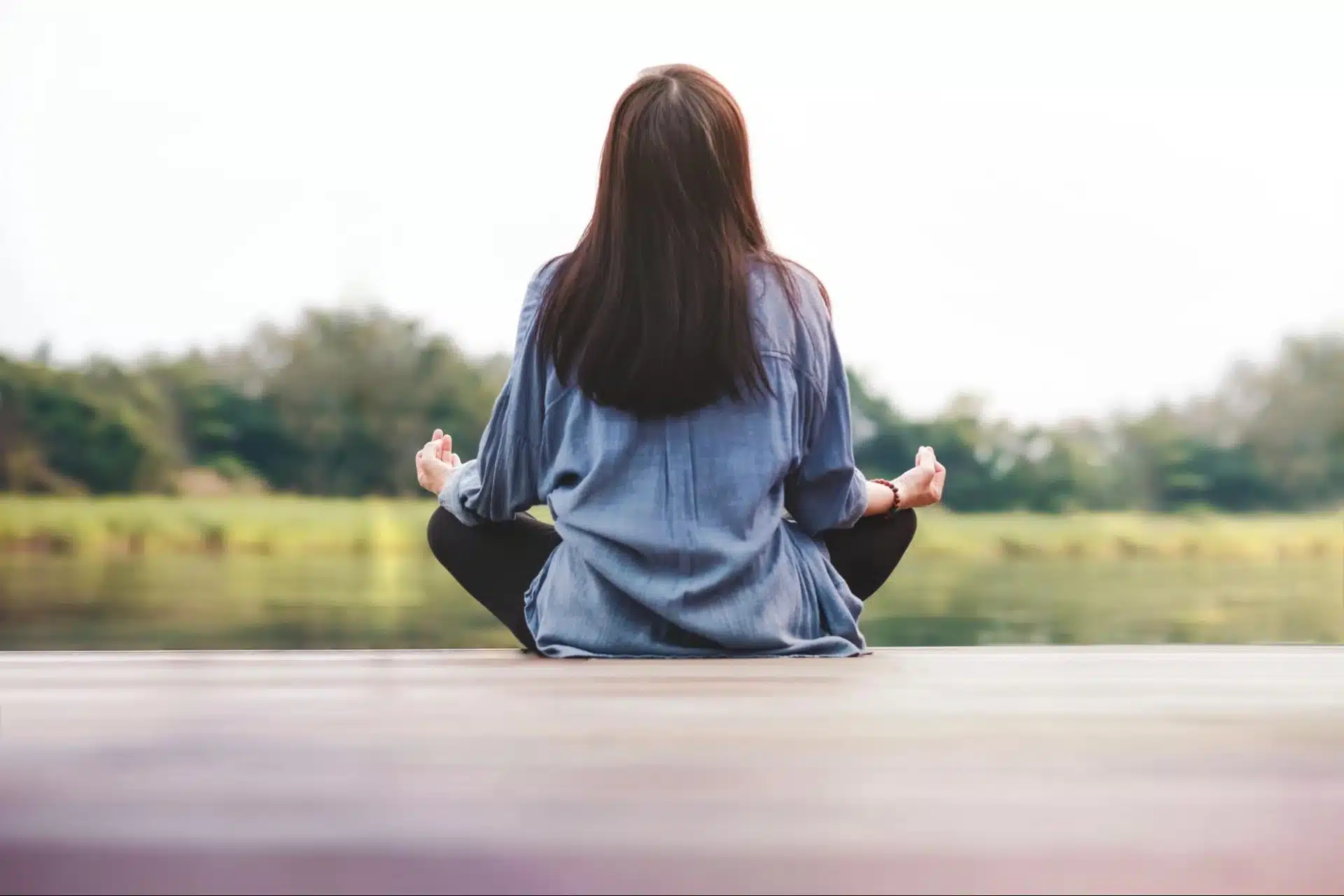
Before diving into specific practices, it’s essential to understand what self-care truly means. Self-care involves activities and practices that we do deliberately to take care of our mental, emotional, and physical health. Though it’s a simple concept in theory, it’s something we often overlook in our daily lives. In an era where productivity is often prioritized over personal well-being, self-care acts as a reminder to pause and prioritize oneself.
Summary
Self-care is a personalized, evolving practice that supports mental, emotional, physical, and spiritual well-being. This guide offers enjoyable ideas and routines—from crafting, journaling, meditation, and exercise to home spa days, reading nooks, mindful breathing, and more—plus suggestions for nature retreats, cultural outings, and digital detoxes. It organizes options into fun, routine-based, physical, at-home, and full-day practices, and highlights emotional, mental, and spiritual forms of self-care. Start small, be consistent, and tailor choices to your needs in 2026 for sustainable, balanced wellness.
What Does Self-Care Look Like?
Self-care can vary greatly from person to person. For some, it might mean taking a quiet walk in the park, while for others, it might involve a rigorous workout session. The key is to find what works best for you and integrate those activities into your routine. It’s important to recognize that self-care is not a one-size-fits-all solution. It requires introspection and experimentation to discover what truly rejuvenates and recharges you. As you explore different activities, keep an open mind and allow yourself the flexibility to change your self-care practices as your needs evolve.
Fun Self-Care Ideas
One of the best ways to keep up with self-care is to make it enjoyable. By incorporating fun and engaging activities into your routine, self-care can become something you look forward to rather than a chore. Here are some fun self-care ideas that you can try:
Self-Care Activities for Adults
- Crafting and DIY Projects: Engaging in creative activities like painting, knitting, or building something can be incredibly therapeutic. These activities not only provide a sense of accomplishment but also allow you to express your creativity and unwind from the stresses of daily life.
- Dance It Out: Put on your favorite music and dance like nobody’s watching. It’s a great way to lift your spirits and get some exercise. Dancing can be a powerful form of expression and a wonderful way to connect with yourself and others.
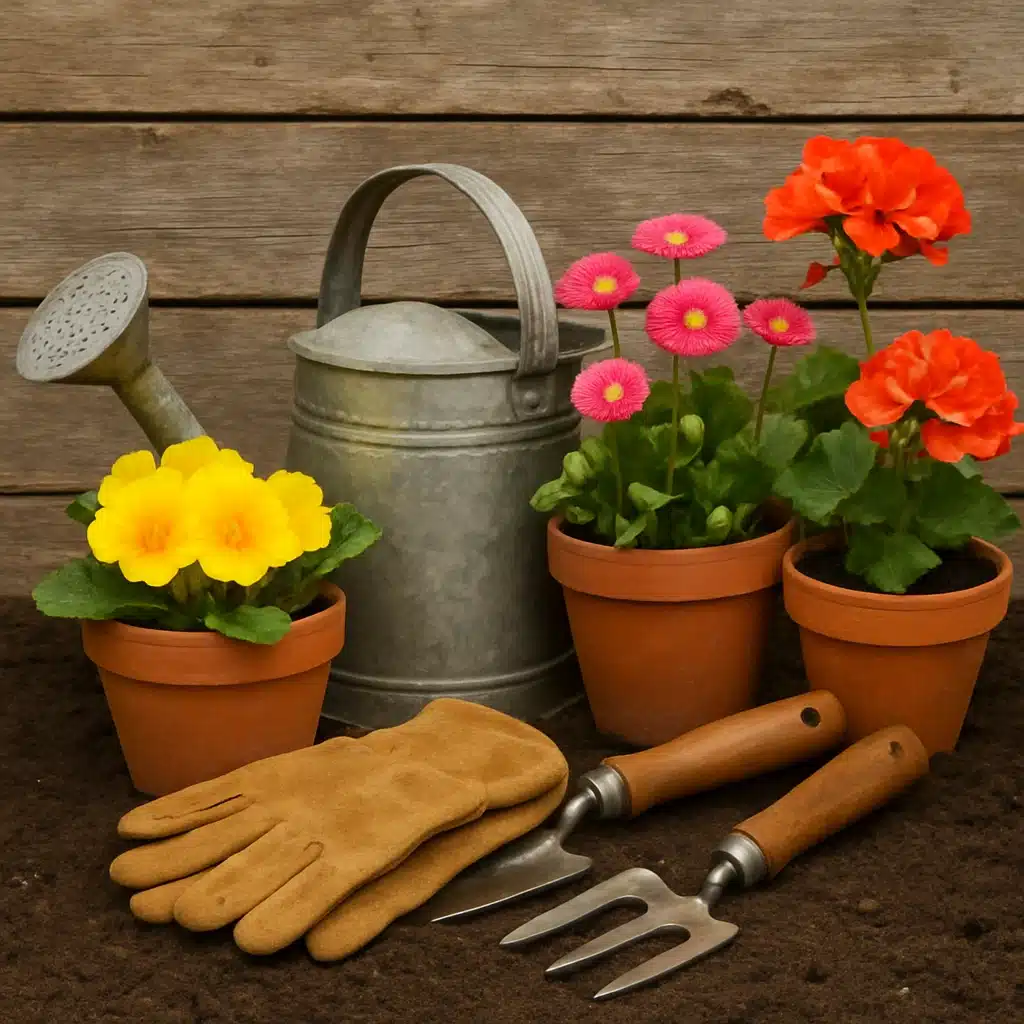
- Gardening: Planting and nurturing a garden can be a fulfilling way to connect with nature and relieve stress. Tending to plants provides a sense of purpose and tranquility, offering a moment of peace in a hectic world.
- Journaling: Spend some time each day writing down your thoughts, dreams, or things you’re grateful for. It’s a powerful tool for self-reflection. Journaling allows you to process emotions, gain clarity on your goals, and track personal growth over time.
Self-Care Routine Ideas
Building a self-care routine doesn’t have to be complicated. Establishing a consistent routine can help ensure that self-care becomes a regular part of your life rather than an occasional indulgence. Here are some routine ideas to consider:
- Morning Meditation: Start your day with a short meditation session to set a peaceful tone. Even a few minutes of mindfulness can help ground you and prepare you for the challenges ahead.
- Evening Wind Down: Establish a bedtime routine that helps you relax and prepare for a good night’s sleep. This might include reading, taking a warm bath, or practicing gentle stretches to release tension.
- Weekly Self-Care Day: Dedicate one day each week to activities that nourish your soul and recharge your energy. Whether it’s spending time in nature, indulging in a hobby, or simply resting, this day is all about you.
Physical Self-Care Ideas
Taking care of your body is an integral part of self-care. Physical self-care not only enhances your physical health but also boosts your mental and emotional well-being. Here are some physical self-care ideas:
Physical Self-Care Examples
- Yoga and Stretching: Incorporate yoga or stretching into your routine to improve flexibility and reduce tension. These practices promote relaxation and can be tailored to suit any fitness level.
- Hydration: Keep a water bottle with you to ensure you’re drinking enough water throughout the day. Staying hydrated is essential for maintaining energy levels and supporting overall health.
- Balanced Nutrition: Focus on eating a balanced diet with plenty of fruits, vegetables, and whole grains. Proper nutrition fuels your body and mind, enhancing your ability to cope with stress.
- Regular Exercise: Find a form of exercise you enjoy, whether it’s walking, cycling, or swimming, and make it a regular part of your life. Consistent physical activity can improve mood, increase energy, and promote better sleep.
At-Home Self-Care Ideas
You don’t need to go far to practice self-care. Creating a nurturing environment at home can make self-care more accessible and sustainable. Here are some at-home self-care ideas:
List of Self-Care Activities
- Home Spa Day: Treat yourself to a spa day at home with a warm bath, face masks, and soothing music. This is a perfect way to relax and indulge in some much-needed pampering.
- Reading Nook: Create a cozy reading nook and escape into a good book. Reading not only provides entertainment but also expands your mind and offers a temporary escape from reality.
- Cooking for Joy: Experiment with new recipes and enjoy the process of cooking as a form of creative expression. Cooking can be a meditative activity that allows you to focus on the present moment and savor the fruits of your labor.
- Mindful Breathing: Practice mindful breathing exercises to calm your mind and reduce stress. Simple breathing techniques can be practiced anywhere and are effective in promoting relaxation and clarity.
by Peter Muniz (https://unsplash.com/@petepxl)
Self-Care Day Ideas
Setting aside a self-care day can be a powerful way to recharge. Dedicating an entire day to self-care allows you to immerse yourself fully in activities that rejuvenate you. Here are some self-care day ideas:
Self-Care Events
- Nature Retreat: Spend a day in nature, whether it’s hiking, picnicking, or simply enjoying the outdoors. Nature has a calming effect on the mind and body, providing a much-needed break from urban life.
- Art and Culture Day: Visit a museum, attend a local theater production, or explore an art gallery. Engaging with art and culture can inspire creativity and offer new perspectives.
- Digital Detox: Unplug from technology for a day and focus on activities that don’t involve screens. A digital detox can help reset your mind, reduce anxiety, and improve your overall well-being.
Forms of Self-Care
Self-care comes in many forms, and it’s important to explore different types to find what works best for you. Understanding the various aspects of self-care can help you create a holistic approach to wellness.
Different Types of Self-Care
- Emotional Self-Care: Engage in activities that help you process and express your emotions, like therapy or talking with a trusted friend. Emotional self-care is crucial for maintaining mental health and developing resilience.
- Mental Self-Care: Stimulate your mind with puzzles, learning new skills, or engaging in creative problem-solving. Keeping your mind active and challenged can enhance cognitive function and prevent burnout.
- Spiritual Self-Care: For some, spirituality is a significant aspect of self-care, which might include meditation, prayer, or attending a place of worship. Spiritual practices can provide a sense of purpose and connection to something greater than oneself.
Conclusion
Self-care is a deeply personal practice that can greatly enhance your well-being. As you prepare for 2026, consider incorporating some of these simple self-care practices into your routine. Remember, the goal is to nurture yourself and create a balanced, fulfilling life. By prioritizing self-care, you’ll be better equipped to handle the challenges that life throws your way. Embrace self-care as an ongoing journey rather than a destination, allowing it to evolve with you over time.
Start small, be consistent, and most importantly, enjoy the journey to optimal wellness. As you cultivate a habit of self-care, you’ll likely discover increased resilience, improved relationships, and a greater sense of peace and happiness in your daily life.
Q&A
Question: How do I figure out which self-care practices are right for me?
Short answer: Treat self-care as an experiment. Try a mix of fun, routine-based, physical, at-home, and full-day activities from the guide—like journaling, yoga, mindful breathing, crafting, or a nature retreat—and notice which ones actually leave you feeling recharged. Stay flexible and adjust as your needs evolve.
Question: I’m busy—what’s a simple way to build a sustainable self-care routine in 2026?
Short answer: Start small and be consistent. Add mini-practices you can stick to: a few minutes of morning meditation, a short evening wind-down (reading or gentle stretches), steady hydration, and one weekly self-care day. Small, repeated steps beat occasional big efforts.
Question: What are some low-cost self-care ideas I can do at home?
Short answer: Try a DIY home spa with a warm bath and calming music, create a cozy reading nook, journal for reflection or gratitude, dance to your favorite playlist, practice mindful breathing, cook a new recipe for joy, or tend a simple plant. All are accessible and customizable.
Question: How can I balance physical, mental, emotional, and spiritual self-care?
Short answer: Rotate across the four areas each week. For example: physical (yoga, walking, hydration, balanced meals), mental (puzzles, learning a skill), emotional (talk with a trusted friend or journal), and spiritual (meditation, prayer, or attending a place of worship). This holistic mix supports overall well-being.
Question: What is a digital detox, and how often should I do it?
Short answer: A digital detox is a screen-free period to reset your mind and reduce stress—ideally a full day focused on offline activities like nature time, art, or rest. You can weave it into your weekly self-care day or try it periodically when you feel overstimulated. Signs it’s working include feeling calmer, clearer, and more present.
Other Articles You May Enjoy

The Benefits of PEMF Therapy: Supporting Healing at the Cellular Level
When you're dealing with chronic pain, inflammation, fatigue, injury, or slow recovery, it can feel like your body...

What Is Functional Medicine and How Can It Improve Gut Health?
Many people experiencing chronic digestive issues eventually reach a frustrating point. They’ve tried medications,...
Why Gut Health Protocols Often Fail
Many people struggling with digestive issues have already tried something to fix their gut health. Maybe it was...