10 Ways Your Body Adjusts—and What Happens When It Can’t
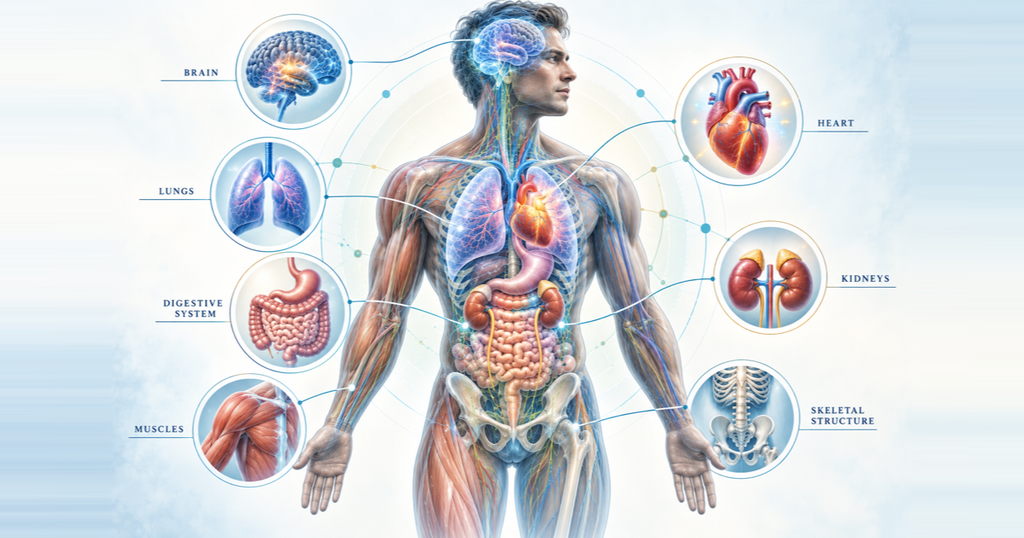
Your body is making adjustments right now.
Your heart is regulating blood flow. Your eyes are responding to light. Your kidneys are balancing fluids, and your nervous system is coordinating countless activities without requiring your attention.
Think of it like a thermostat that never stops working. Your body constantly senses what’s changing and makes corrections to maintain the internal conditions your cells need to function. This balancing process is called homeostasis.
Some adjustments happen within seconds. Others develop gradually through repeated experiences.
Here are ten remarkable ways your body adapts, and what can happen when those processes are disrupted.
1. Your Eyes Adapt to Light
Walk from a dark movie theater into bright sunlight, and your pupils quickly become smaller. Your retina adjusts its sensitivity, too. Step back into a dim room, and the process reverses.
When adaptation struggles: You might experience excessive light sensitivity, difficulty seeing in dim environments, or unusually slow adjustment between light and dark. Certain eye conditions can interfere with these responses.
2. Your Heart Adjusts When You Stand
Standing causes gravity to pull blood toward your legs. Your nervous system responds by adjusting heart rate and tightening blood vessels to maintain blood flow to your brain.
When adaptation struggles: Blood pressure may drop, causing dizziness, blurred vision, or fainting. This can occur with orthostatic hypotension, an excessive decrease in blood pressure after standing.
3. Your Breathing Changes With Demand
Your brain monitors signals related to carbon dioxide, oxygen, and blood chemistry, adjusting your breathing accordingly. During exercise, you breathe faster and deeper to support increased oxygen use and remove additional carbon dioxide.
When adaptation struggles: Unusual breathlessness or difficulty tolerating activity may develop. Lung disease, heart conditions, anemia, and other medical problems can interfere with normal respiratory responses.
4. Your Body Regulates Its Temperature
When you’re hot, blood vessels near your skin widen, and sweating helps release heat. When you’re cold, those vessels narrow, and shivering generates warmth.
When adaptation struggles: You might overheat easily or have difficulty staying warm. Certain neurological conditions, medications, and illnesses can interfere with temperature regulation.
5. Your Muscles Respond to Repeated Challenges
With appropriate resistance training, muscle fibers can grow, and your nervous system becomes more efficient at activating them.
When adaptation struggles: Prolonged inactivity, inadequate nutrition, or illness can contribute to muscle weakness and loss of muscle mass. Climbing stairs or carrying groceries may become harder.
6. Your Bones Respond to Mechanical Forces
Bone is living tissue. Specialized cells continually remove older bone and build new bone. Weight-bearing activity provides signals that help maintain skeletal strength.
When adaptation struggles: When bone breakdown exceeds formation over time, bones can become less dense and more fragile. Osteoporosis increases the risk of fractures.
7. Your Digestive System Responds to Food
Your digestive system starts preparing before you take a bite. The smell of a good meal can make your mouth water and stimulate digestive secretions. Once you eat, your stomach and intestines coordinate movement and digestion so nutrients can be absorbed.
When adaptation struggles: Disrupted digestive coordination may contribute to bloating, nausea, constipation, or feeling full unusually quickly. Gastroparesis, for example, slows stomach emptying.
8. Your Kidneys Adjust Fluid Balance
If you’ve noticed darker urine on a hot day, you’ve seen your kidneys conserving water. They continually regulate fluids and electrolytes, responding to hormonal signals as your body’s needs change.
When adaptation struggles: Kidney disease or hormonal problems can disrupt fluid and electrolyte balance, potentially causing swelling, weakness, or abnormal blood pressure.
9. Your Brain Changes Through Experience
Practicing a skill, learning information, and repeating behaviors can modify connections between nerve cells. This ability is called neuroplasticity.
When adaptation struggles: Brain injuries and certain neurological conditions can interfere with learning, movement, or memory. Rehabilitation often uses repetition to encourage beneficial changes in neural networks.
10. Your Immune System Learns From Exposure
Part of your immune system is designed to learn. After encountering certain germs or vaccines, it can develop memory cells that recognize familiar threats and help respond more effectively in the future.
When adaptation struggles: Certain immune deficiencies can impair immune responses or memory, increasing susceptibility to particular infections.
Why Adaptation Matters
Consider how much these processes accomplish without conscious effort. They help you maintain balance when standing, tolerate changing temperatures, digest meals, build strength, and learn new skills.
When something interferes with these abilities, the effects can be surprisingly ordinary: dizziness getting out of bed, unusual fatigue during activity, or difficulty recovering from an illness.
Those experiences can have many explanations. Understanding the body’s normal responses gives us a better starting point for investigating them.
There’s also an encouraging side to adaptation. Many of these abilities respond to experience. Regular movement supports muscle and bone strength. Practice develops skills. Gradual heat exposure can improve the body’s ability to tolerate warmer conditions.
Your body is continually responding to the world around you. Some changes happen automatically, while others are influenced by what you do consistently over time.
Understanding those responses helps us recognize both the body’s remarkable capabilities and the signs that something may need attention.
Related Articles
Continue Your Discovery
When symptoms persist or patterns begin to change, understanding how different body systems are functioning can help guide the next steps.
Denali’s Total360 Discovery process brings together your health history, symptoms, and clinical findings to explore possible contributing factors and identify areas that may need further evaluation.
Discovery Before Direction.