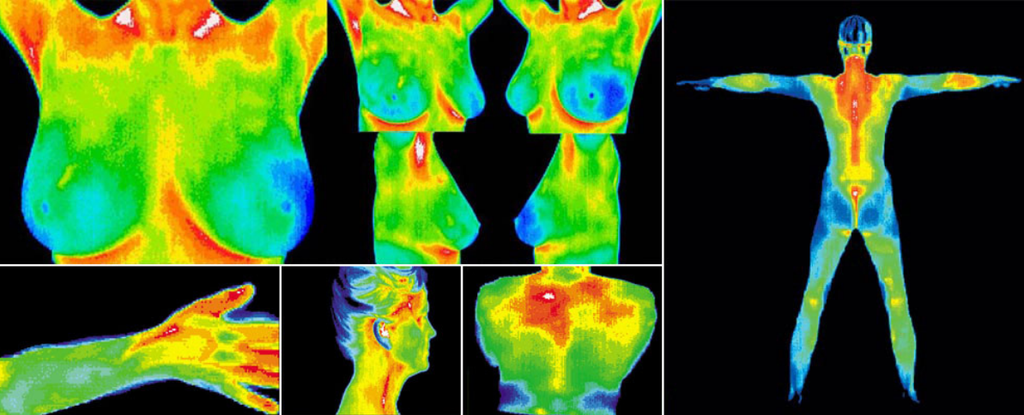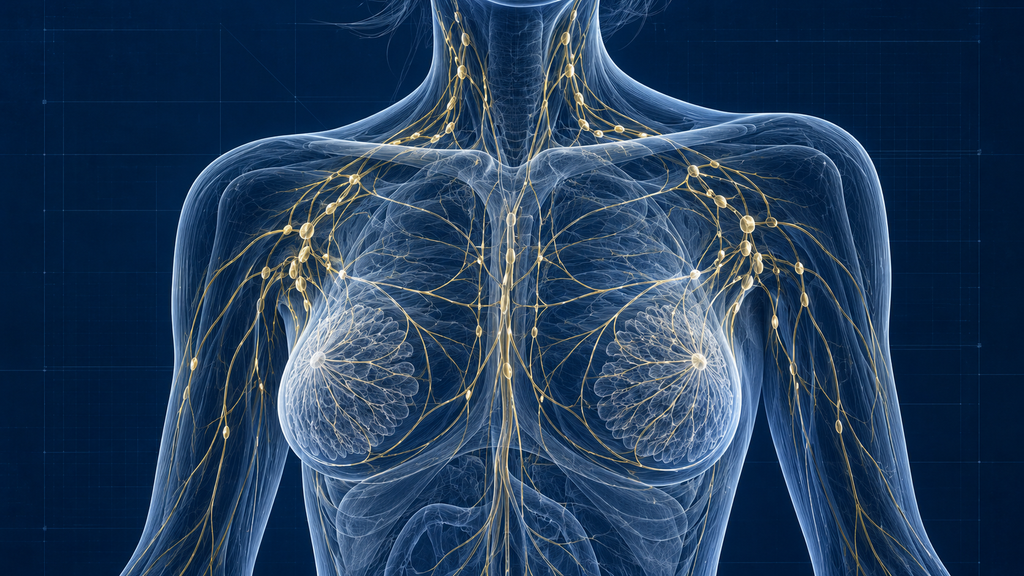

Breast pain can be unsettling.
Even when it’s mild, it’s hard not to wonder what it means. Why are my breasts suddenly tender? Why does one side hurt more than the other? Why does the pain come and go?
And perhaps the question underneath all of them:
Should I be worried?
Breast pain is common, and there are many reasons it can happen. Hormonal changes are one possibility. Pain can also come from changes within the breast, inflammation, infection, medications, injury, or even structures outside the breast.
The details can help narrow down what may be happening.
What Does the Pattern Tell You?
The medical term for breast pain is mastalgia, and it’s often described as cyclical or noncyclical.
Cyclical breast pain follows the menstrual cycle. The breasts may feel swollen, heavy, sore, or unusually sensitive for several days and then improve once the menstrual period begins. It commonly affects both breasts and may be more noticeable in the upper or outer portions.
Hormonal signals are an important part of this pattern. Breast tissue responds to estrogen, progesterone, prolactin, and other hormones, so changes in those signals can temporarily change how the tissue feels. [Link: How Do Hormones Affect Breast Health?]
Noncyclical breast pain doesn’t follow the menstrual cycle. It may occur in one breast, in one specific area, or more persistently. Possible causes include injury, infection, medications, cysts, and other changes within or around the breast.
Where the pain occurs matters too. Pain spread across both breasts is different from pain that repeatedly appears in the same small area. Pain that changes with movement gives you another clue.
And sometimes those clues point somewhere other than the breast.
Where You Feel Pain Isn’t Always Where It Begins
The breast sits directly over the muscles and ribs of the chest wall and near the shoulder, neck, and upper spine.
Pain from these structures can feel like breast pain.
A strained chest muscle, irritation around the ribs, or a problem involving the shoulder, neck, or upper back may produce discomfort that seems to be coming from the breast. This is known as extramammary breast pain.
Movement can help reveal this connection. Reaching overhead, twisting, moving your shoulder, or pressing on a particular rib or chest muscle may reproduce the discomfort. Recent exercise, heavy lifting, persistent coughing, or an injury may also offer clues.
What Else Is Happening?
Breast pain takes on more meaning when it occurs alongside other changes.
Redness, warmth, swelling, or fever can signal inflammation or infection and are worth having checked promptly.
A new lump, nipple discharge, changes in the nipple, skin dimpling or thickening, or a noticeable change in the shape or appearance of the breast should also be evaluated.
Does Breast Pain Mean Breast Cancer?
For many women, this is the biggest concern.
The reassuring news is that breast pain by itself is rarely associated with breast cancer. Most breast pain has a benign explanation, particularly when it’s spread across the breast or follows a predictable menstrual pattern.
Persistent pain in one specific area deserves more attention, especially when it’s new or accompanied by another breast change. Depending on your age, health history, breast cancer risk, physical exam, and other findings, your healthcare provider may recommend additional evaluation or imaging.
Breast pain isn’t something to fear. But it helps to recognize when something has changed enough to warrant a closer look.
Knowing Your Normal Gives You Context
Breast tissue is dynamic. It can feel different across the menstrual cycle and change with pregnancy, breastfeeding, medications, aging, and other biological shifts.
For some women, tenderness before a period is completely predictable. For others, breast soreness is unusual.
Knowing what’s typical for you makes a new change easier to recognize.
Pay attention to when discomfort occurs, where you feel it, whether anything makes it better or worse, and whether anything else about the breast has changed.
You don’t need to track every sensation. Paying attention to these patterns is usually enough to notice when something is different.
Breast pain is common, and most of the time it isn’t serious. But it’s still worth listening to.
Related Articles
- How Do Hormones Affect Breast Health?
- Breast Health Is About More Than Finding Cancer
- How Does the Lymphatic System Support Breast Health
Looking Deeper
Pain tends to get treated as something to quiet. But pain can also give us information about what may be happening around it—a hormonal shift, strain in the chest wall, inflammation, or another change.
Foundational Medicine starts by understanding those connections before deciding what to do next.
A few simple steps can ease discomfort and give you clearer information:
- Track it for a few cycles. Note when the pain shows up, where you feel it, and how long it lasts. A pattern may become easier to recognize over time.
- Wear a supportive, well-fitted bra. Good support can ease tenderness, especially during exercise or in the days before your period.
- Notice what’s new. If the pain started after a new medication, a change in exercise, or an injury, that timing is worth mentioning to your provider.
Breast pain rarely exists in isolation. Understanding what’s happening around it gives you a much better place to start.
Continue Your Discovery
Breast pain is only one of the ways breast tissue can change over time. Understanding your individual breast tissue—and the many influences surrounding it, from hormones to lymphatic flow and circulation—can give you a broader picture of breast health.
Denali’s Best Breast Health approach is designed to help women better understand their breast tissue and take a more active role in caring for their breast health throughout life.
Discovery Before Direction.
FAQ
1. Why do my breasts hurt before my period?
Hormonal changes throughout the menstrual cycle can affect breast tissue and cause temporary tenderness, swelling, heaviness, or soreness. When breast pain appears at a similar time each cycle and improves after your period begins, it’s often described as cyclical breast pain.
2. Can breast pain come from muscles or ribs?
Yes. Pain from the chest wall, muscles, ribs, shoulder, neck, or upper back can sometimes feel as though it’s coming from the breast. This is known as extramammary breast pain.
3. Is breast pain a sign of breast cancer?
Breast pain by itself is rarely associated with breast cancer. Persistent pain in one specific area, particularly when it’s new or accompanied by a lump, nipple or skin change, concerning discharge, or another breast change, should be evaluated by a healthcare professional.
4. When should I see a doctor for breast pain?
Breast pain should be evaluated when it is persistent or worsening, repeatedly occurs in one specific area, feels distinctly different from your usual pattern, or occurs with a lump, nipple or skin change, concerning discharge, redness, warmth, swelling, or fever.