When you hear the word inflammation, what comes to mind?
Probably something red, swollen, painful, or irritated. We tend to associate inflammation with something going wrong.
But inflammation is also one of the ways your body protects healthy tissue.
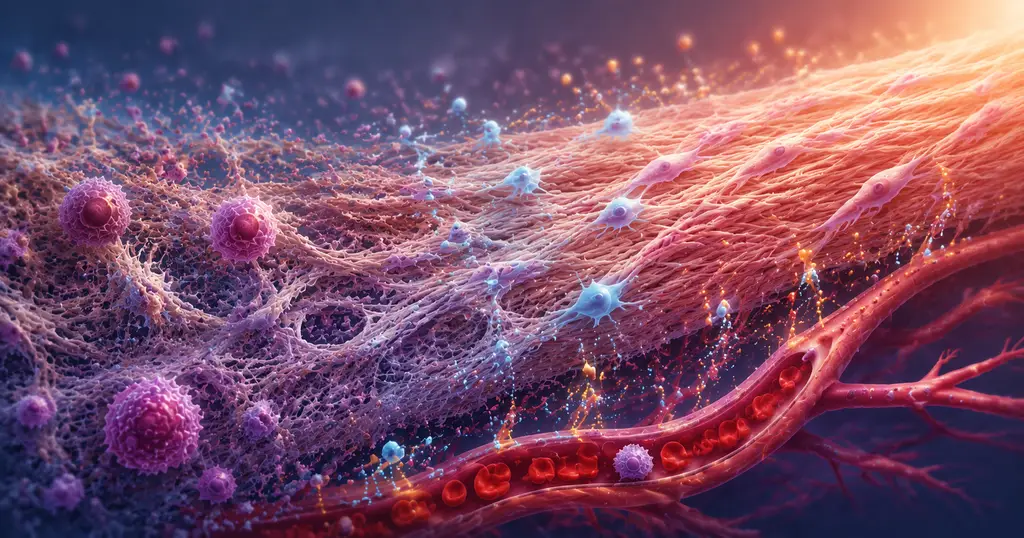
When cells are injured or an infection develops, the immune system responds. It sends chemical messengers, recruits immune cells, and helps coordinate repair.
You can think of it like a repair crew. The crew arrives, clears away the damage, rebuilds what’s needed, and then packs up and leaves.
But what happens when the crew doesn’t leave?
In breast tissue, where hormones, immune cells, blood vessels, and lymphatic vessels all interact, inflammation that lingers can change the environment surrounding healthy cells.
That’s why the body’s ability to resolve inflammation matters as much as its ability to start it.
What Happens When Breast Tissue Becomes Inflamed?
When inflammation begins, small blood vessels widen and become leakier. That allows fluid and immune cells to move into the surrounding tissue.
This can produce familiar symptoms: warmth, swelling, tenderness, and redness. Mastitis, for example, is inflammation of the breast that sometimes involves infection.
Not all breast inflammation is noticeable, though. Immune cells also help with normal breast tissue maintenance and remodeling, particularly during pregnancy, breastfeeding, and the changes that follow weaning.
Once the original problem is handled, the body sends a different set of signals. These calm the immune response, clear away cellular debris, and support repair. This process is called resolution. It’s the repair crew packing up, and it doesn’t happen on its own. The body has to actively coordinate it.
The Connection Between Inflammation and Lymphatic Flow
All that extra fluid has to go somewhere.
The lymphatic system is a network of thin vessels that collects excess fluid from tissues and returns it to the bloodstream. It also carries immune cells, helping the immune system watch for and respond to problems.
When inflammation increases the amount of fluid entering breast tissue, lymphatic vessels help manage the extra load. If drainage is impaired, fluid can build up and swelling may develop.
This is especially important after breast surgery or treatments that affect lymphatic vessels and lymph nodes.
What Shapes Inflammation in Breast Tissue?
Several factors can affect how inflammation behaves in breast tissue.
Hormones influence breast cell growth, fluid balance, and immune signaling. That’s part of why tenderness and swelling can shift during the menstrual cycle and other hormonal transitions. [Link: Why Do My Breasts Hurt?]
Injury and infection can activate a local immune response. Often it’s temporary, but some conditions need medical treatment to resolve.
Metabolic health plays a role too. Breast tissue contains fat cells that release chemical messengers, which help the metabolic and immune systems communicate. Changes in fat tissue function can increase inflammatory signaling.
These factors interact, so breast inflammation can look different from one woman to another.
What Happens When Breast Inflammation Persists?
Sometimes the crew stays on the job longer than it’s needed.
Immune cells may keep releasing chemical messengers that affect nearby cells, blood vessels, and connective tissue. Over time, lingering inflammation can interfere with normal tissue maintenance and repair.
Researchers are studying how long-term inflammation affects breast tissue, including its possible role in how cancer develops and progresses. These relationships are complex, and inflammation on its own doesn’t mean disease is present.
Tenderness or swelling can also have causes that have nothing to do with chronic inflammation, so symptoms are best understood in context.
Supporting a Healthy Breast Environment
Your body’s ability to resolve inflammation depends on many systems working together. Everyday habits can help support them.
Regular movement supports circulation. Because muscle contractions help push lymph through its vessels, movement also supports lymphatic flow.
Adequate sleep and managing ongoing stress help support healthy immune regulation.
Balanced nutrition and steady blood sugar support metabolic health, which influences how fat tissue communicates with the immune system.
None of these is a guarantee, but each supports the body’s ability to repair and recover.
Knowing what’s normal for your breasts matters too. Persistent pain, a new lump, or changes in the skin or nipple should be evaluated by a healthcare provider. Unexplained redness or warmth is worth having checked promptly.
Related Articles
Looking Deeper
What makes inflammation especially interesting is how many systems participate in a single response.
Hormones influence immune signaling. Fat tissue communicates with immune cells. The lymphatic system helps manage the fluid and immune activity associated with inflammation.
But there’s another important relationship: the signals that start inflammation and the signals that resolve it are part of the same coordinated biological process.
That’s a useful perspective in Foundational Medicine. Understanding a symptom means considering what prompted the body’s response, how that response is functioning, and whether the conditions needed for recovery are present.
Inflammation is essential for protecting breast tissue. The ability to resolve that response is equally important.
Continue Your Discovery
Inflammation, circulation, and lymphatic flow all shape the environment your breast tissue lives in.
Denali’s Best Breast Health approach looks more broadly at breast tissue and the biological environment surrounding it. It includes hands-on instruction in a specialized lymphatic breast-care protocol, helping women become more familiar with their breast tissue and take a more active role in caring for it throughout life.
Discovery Before Direction.