We usually think of healing as something that begins after something goes wrong. You get injured, become sick, or have surgery—and then your body starts to heal. Understanding how the body heals is crucial to appreciating its remarkable capabilities.
But healing doesn’t begin with injury. Your body is repairing, replacing, and rebuilding itself every day.
In essence, learning about how the body heals can empower you to take better care of yourself.
In this episode of Dr. Earl’s Insights, Dr. Earl explores the remarkable amount of restoration happening inside your body right now—and a different question we can ask when healing doesn’t seem to be keeping up.
Watch the full video above, or explore the key ideas below.
00:53 – Your Body Is Constantly Rebuilding
Your body may look relatively unchanged from one day to the next, but biologically, it is anything but static.
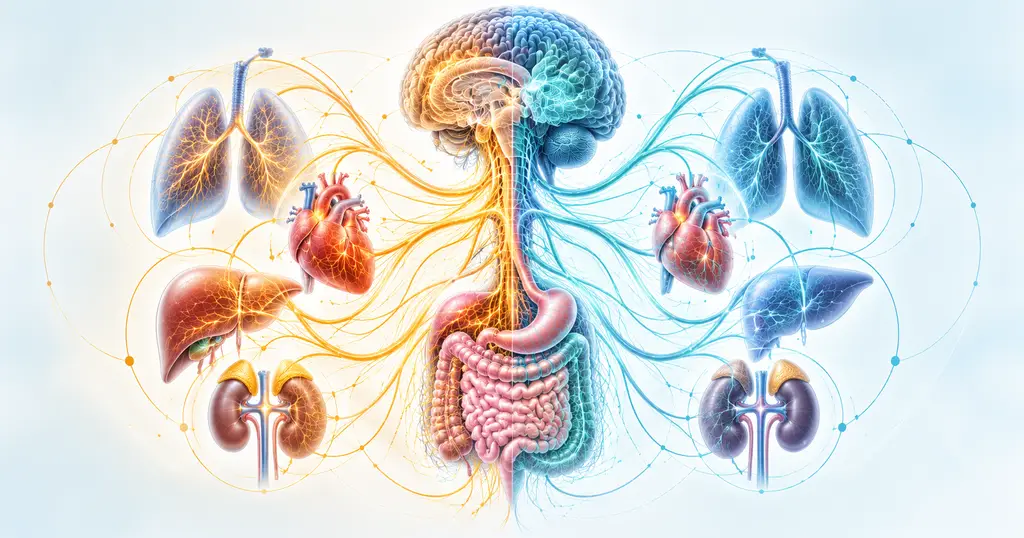
Skin cells are replaced. The lining of the digestive tract continually renews itself. Blood cells have defined lifespans and are replaced. Liver tissue has significant regenerative capacity. Bone is continuously remodeled, and muscles repair the small amounts of damage created through everyday use.
Healing isn’t simply an emergency response. It is part of how the body maintains itself.
01:35 – Repairing the Wear and Tear of Everyday Life
Every day creates a certain amount of biological wear and tear. Cells are damaged, proteins break down, tissues experience stress, and old cells need to be removed and replaced.
A healthy body is continually working to keep pace with that demand. Repair and rebuilding happen quietly in the background, usually without us ever noticing.
The trouble begins when the demand for repair consistently exceeds the body’s ability to keep up.
02:08 – What Happens When Healing Falls Behind?
Imagine two sides of a scale: damage and repair.
When the body can adequately repair what is being damaged, tissues can maintain function and resilience. But if damage continues accumulating faster than restoration can occur, the balance begins to shift.
That can change how we think about persistent problems. Instead of only asking, “How do we fix this symptom?” we can also ask, “Why isn’t repair keeping pace?”
02:44 – What Gets in the Way of Healing?
Healing requires the right conditions. Sleep, circulation, nutrients, energy availability, inflammation, stress, and nervous system regulation can all influence the environment in which repair takes place.
When the body is continually prioritizing survival and adaptation, restoration may have to compete for resources. We explored this idea more deeply in a previous episode of Dr. Earl’s Insights, When Did Feeling This Way Become Normal, which looks at what can happen when the body remains in a protective pattern for too long.
04:20 – Supporting What the Body Is Already Trying to Do
The goal of good healthcare isn’t to take over healing from the body.
It’s to understand what the body is trying to accomplish, identify what may be interfering with that process, and create better conditions for its natural repair mechanisms to work.
That’s why at Denali, Discovery comes before Direction.
Further Reading & Resources
Go deeper with this month’s cornerstone article, What Does Your Body Need To Heal?, where we explore the biology of repair and the conditions that allow healing to flourish.
You can also read The Healing Response: What Happens Inside Your Body When You’re Injured? and Building Blocks for Healing: What Your Body Needs to Repair and Rebuild to explore specific parts of the healing process.