
Turning to check your blind spot. Looking down to read. Working at a computer. Holding your grandchild. Sleeping through the night.
Your neck performs thousands of small movements every day without asking for much attention. It balances the weight of your head, allows you to look in every direction, and protects the spinal cord — the communication highway connecting your brain to the rest of your body.
When something interferes with that system, the effects are often felt far beyond your neck. Pain that travels into your shoulder. Numbness in your arm or hand. Weakness when gripping objects. Headaches that begin at the base of your skull.
You may have been told you have a herniated disc, degenerative disc disease, arthritis, or simply “a pinched nerve.” Whatever diagnosis you’ve received, one question matters more than any other: why are your symptoms happening?
Understanding what’s happening inside your neck is the first step toward choosing the treatment that’s right for you.
Your neck — also called the cervical spine — is made up of seven vertebrae separated by discs that cushion movement and absorb force. Surrounding those structures are muscles, ligaments, joints, tendons, nerves, and blood vessels all working together to create strength, stability, flexibility, and protection.
The most important structure your neck protects isn’t a muscle or a bone. It’s your spinal cord. Every signal traveling between your brain and the rest of your body passes through this narrow channel before branching into nerves that control your shoulders, arms, and hands.
Because everything is connected, a problem in one small area of the neck can create symptoms somewhere entirely different. An irritated joint may cause pain in your shoulder. A compressed nerve may create numbness in your fingers. Tight muscles may contribute to recurring headaches. This is one reason two people with nearly identical MRI findings can experience very different symptoms — and why understanding which structure is involved matters just as much as identifying where you feel the pain.
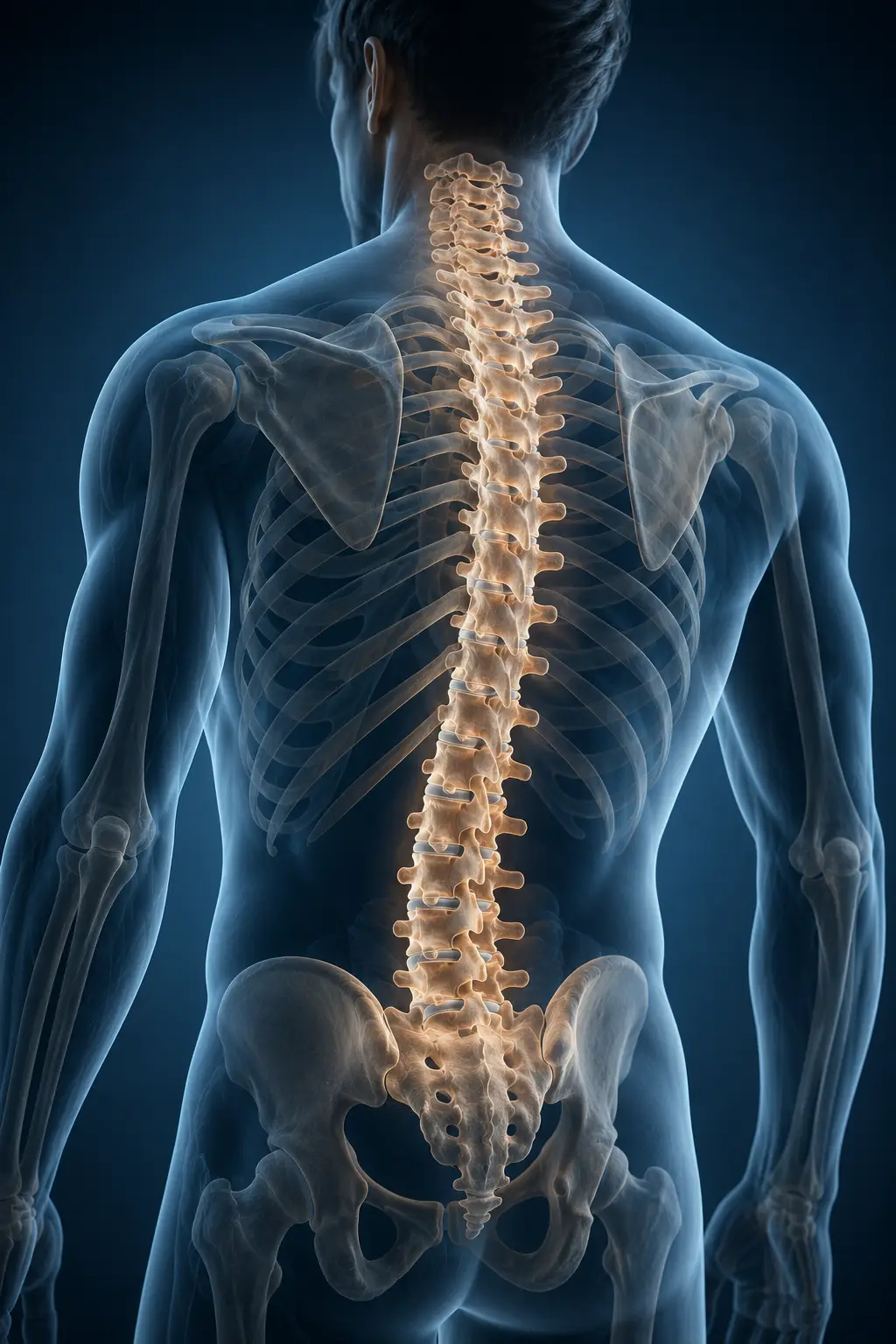

Neck pain is one of the most common musculoskeletal complaints — but it isn’t a diagnosis by itself. Pain can originate from muscles, joints, discs, ligaments, nerves, or a combination of structures working together. For some people, symptoms begin suddenly after an injury. For others, they develop gradually through years of repetitive movement, posture, stress, or accumulated wear.
The location of the pain doesn’t always identify its source. That’s why a careful evaluation matters before deciding how to treat it.
Between each vertebra sits a disc that acts as both a cushion and a shock absorber. When part of a disc pushes beyond its normal boundary, it may irritate nearby nerves and produce pain, numbness, tingling, or weakness that travels into the shoulder, arm, or hand.
Many people are surprised to learn that herniated discs are common — and many never cause symptoms at all. The important question isn’t simply whether a disc is herniated. It’s whether that disc is actually responsible for the symptoms you’re experiencing. Not every herniated disc requires surgery, and MRI findings alone rarely tell the whole story.
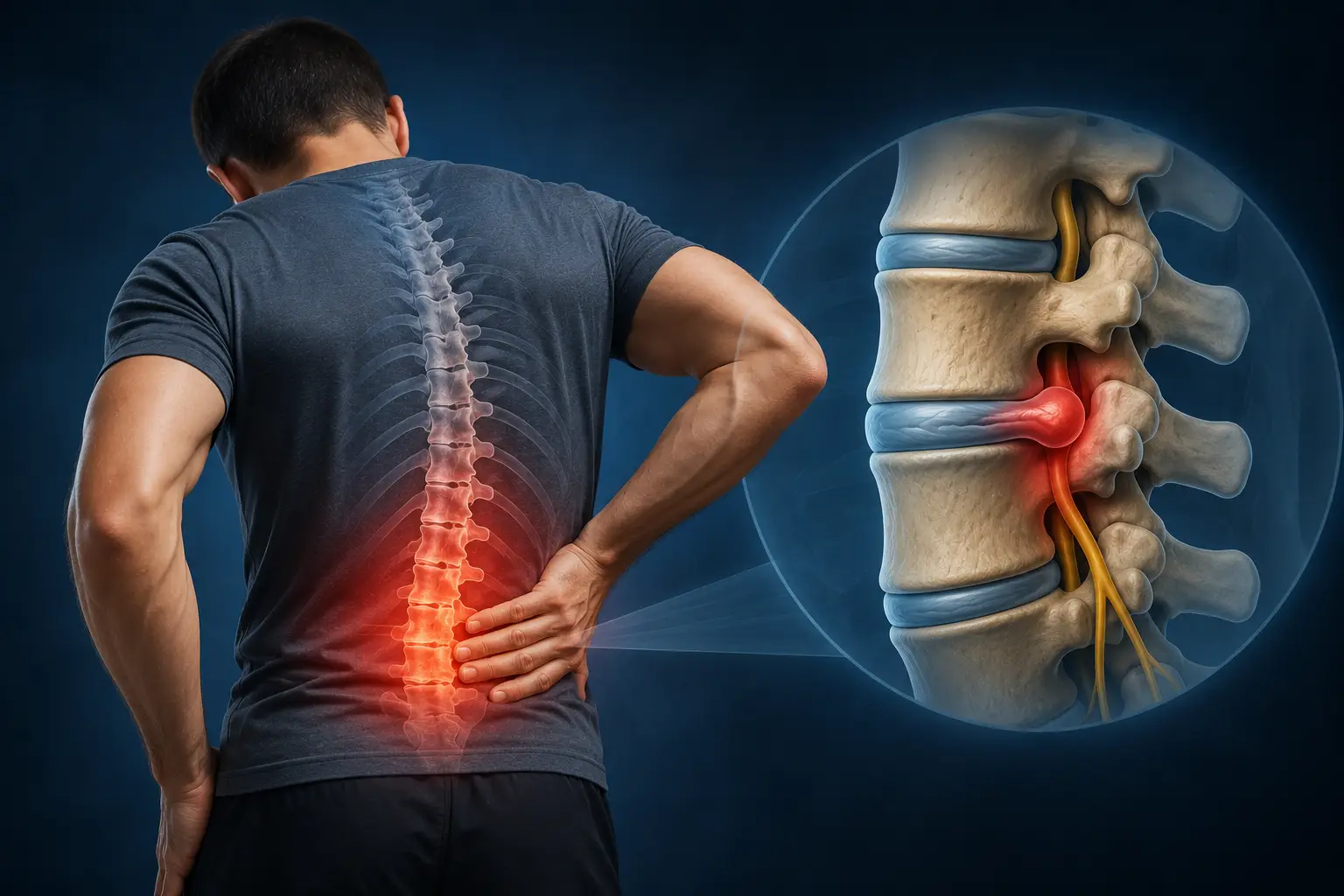
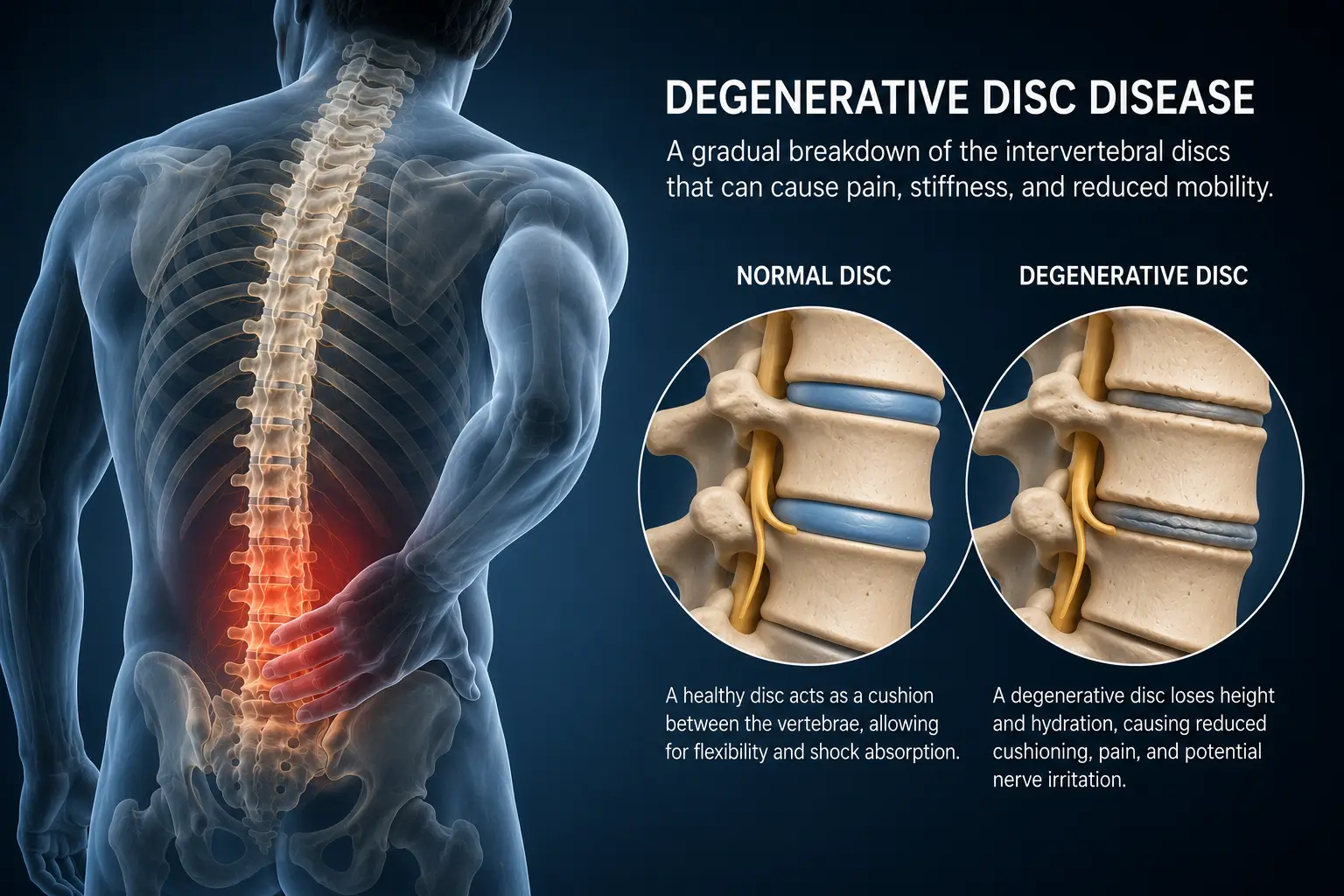
Despite its name, degenerative disc disease isn’t truly a disease — and it doesn’t mean your spine is failing. It describes the natural changes that occur as spinal discs gradually lose water, flexibility, and height over time, the same way joints and other tissues change throughout life.
Many people have these changes without pain. Others experience stiffness, aching, or nerve irritation depending on how those changes affect nearby joints and nerves. Understanding whether those findings are actually contributing to your symptoms — rather than simply appearing on imaging — is one of the most important parts of building an effective treatment plan.
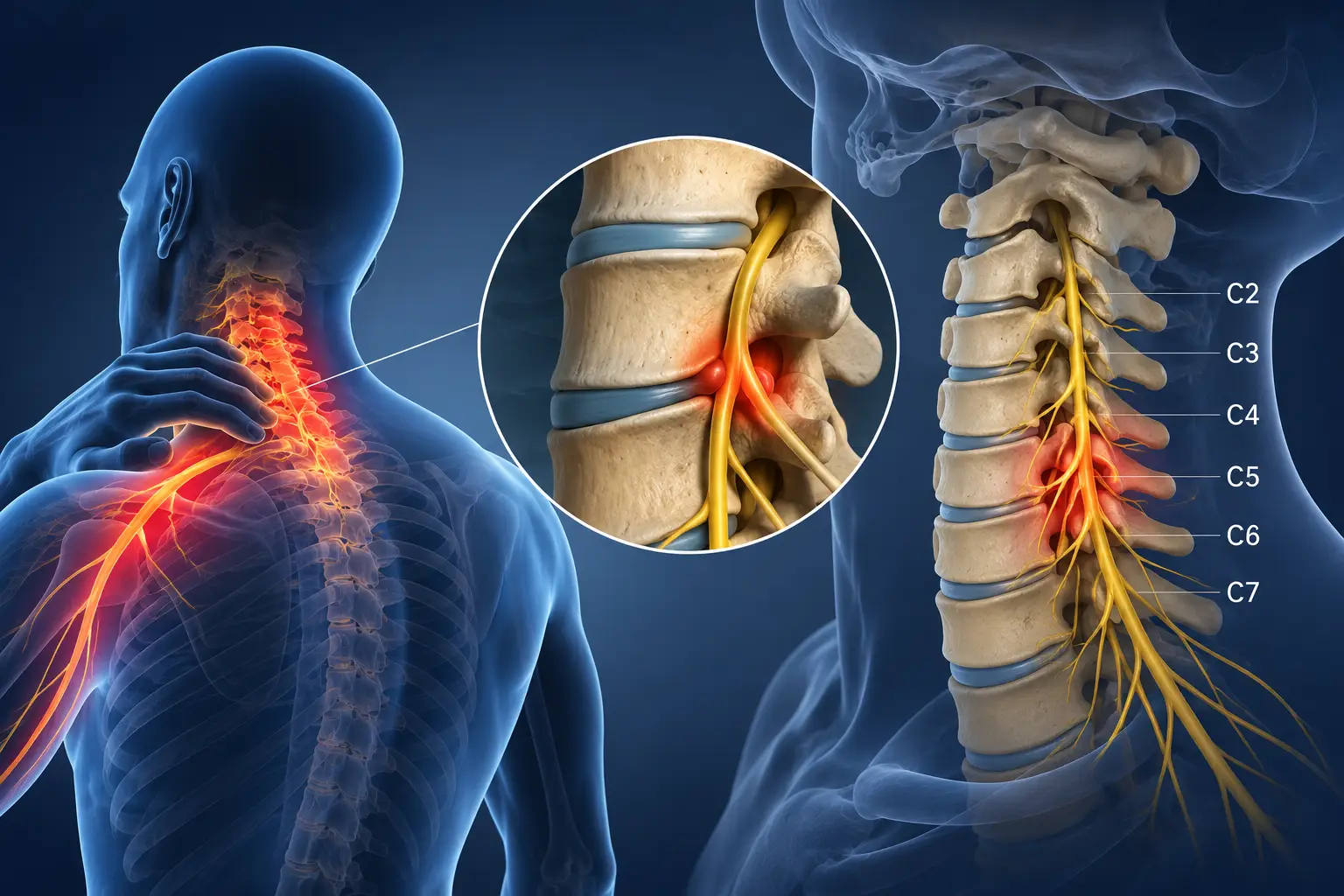
A pinched nerve occurs when one of the nerves leaving the cervical spine becomes irritated or compressed. Rather than causing pain only in the neck, it typically creates symptoms that travel along the path of that nerve into the shoulder, arm, or hand — producing burning pain, tingling, numbness, weakness, or difficulty gripping objects depending on which nerve is involved.
Because each cervical nerve supplies a different part of the arm, the specific pattern of symptoms often provides important clues about which nerve is affected and where pressure is coming from. That pattern matters as much as the imaging.

Not every neck problem involves a disc or nerve. Muscles, ligaments, and other soft tissues can become strained after sudden injuries, repetitive movements, poor posture, or prolonged positions. Whiplash — commonly occurring during motor vehicle accidents but also possible during sports injuries or falls — places rapid stress on muscles and ligaments that may continue causing pain long after the initial event.
Many strains improve with time and appropriate care. When pain persists beyond the expected recovery window, it often signals that additional structures have become involved and deserve a closer look.
Neck and cervical spine conditions often produce symptoms well beyond the neck itself. Common patterns include neck pain, stiffness, headaches beginning near the base of the skull, pain traveling into the shoulder or arm, numbness or tingling in the arm or hand, weakness while gripping or lifting, reduced range of motion, and symptoms that worsen with certain positions or activities.
These symptoms provide valuable clues — but they don’t identify the cause on their own. A careful evaluation determines which structure is responsible.


Neck pain rarely develops for one reason alone. It typically reflects a combination of factors including poor posture, repetitive movements, prolonged computer or desk work, previous injuries, degenerative changes, muscle weakness, stress-related tension, and the cumulative effects of time.
Many people assume posture alone is responsible for their symptoms. While posture matters, it is usually one piece of a larger picture involving movement, strength, flexibility, and the overall health of the tissues supporting the cervical spine — which is why two people with similar imaging findings often require very different treatment plans.
A thorough evaluation begins with understanding your story. Your provider will discuss when your symptoms began, how they’ve changed over time, which movements reproduce them, previous injuries, and the activities that matter most to you.
A detailed orthopedic examination evaluates posture, strength, mobility, sensation, reflexes, and nerve function. Because shoulder pain, arm pain, and hand numbness don’t always originate where they’re felt, the examination considers how your neck, shoulders, and upper back work together as one functional system. Imaging is ordered when it will meaningfully contribute to the diagnosis or influence treatment — not as a routine first step.


Every neck problem tells a different story, and treatment begins by understanding yours.
After a comprehensive orthopedic evaluation, your provider will discuss which path makes the most sense — whether that’s conservative rehabilitation, referral for surgical consultation, or regenerative medicine designed to support healing within the affected tissues rather than simply manage symptoms. For patients where broader factors may be influencing healing or recovery, a Total360 Discovery evaluation may also be recommended.
To learn more about how we approach neck and spine conditions and what regenerative treatment looks like, visit our Regenerative Medicine page.
No. Many herniated discs improve without surgery. The size of the herniation, the severity of your symptoms, neurological findings, and your goals all influence the most appropriate treatment path.
A herniated disc is one possible cause of a pinched nerve — but not the only one. Arthritis, narrowing of the space around the nerve, inflammation, or other structural changes can also place pressure on a nerve and produce similar symptoms.
The nerves supplying your shoulder, arm, and hand originate in your neck. When one becomes irritated or compressed, symptoms are typically felt along the entire path of that nerve rather than only at the source — which is why arm symptoms often signal a neck problem.
Many people with degenerative disc disease manage their symptoms successfully and maintain good function. Treatment depends on whether those changes are actually responsible for your pain and how they’re affecting the surrounding tissues.
Many patients with chronic neck pain may be candidates — but not everyone is. Your evaluation will help determine whether regenerative medicine is appropriate for your specific condition, and your provider will give you an honest picture of what it’s likely to accomplish.
A personalized evaluation can identify the source of your symptoms, explain your options clearly, and help determine the most appropriate path forward for your goals.
Enter your information below to learn how we've helped thousands treat the root source of their pain and helped them truly heal by triggering the body's innate healing system.