

Standing at the kitchen counter. Picking up your grandchild. Rolling over in bed. Walking through the grocery store. Simply getting out of a chair.
Your lower back supports nearly every movement you make. It transfers force between your upper and lower body, helps stabilize your spine, and provides the foundation that allows you to bend, lift, twist, and move with confidence.
When something disrupts that system, even ordinary movements can become painful.
Maybe your pain began after lifting something heavy. Maybe it followed a fall or an awkward movement. Or perhaps it developed so gradually that you simply accepted it as part of getting older.
You may have been told you have muscle strain, arthritis, sciatica, SI joint dysfunction, or chronic low back pain. Whatever diagnosis you’ve received, one question matters most: why does your back keep hurting?
Understanding what’s happening inside your lower back is the first step toward choosing the treatment that’s right for you.
Your lower back — also called the lumbar spine — is built differently than your neck. While the cervical spine prioritizes mobility, the lumbar spine prioritizes stability. Five large vertebrae, intervertebral discs, facet joints, ligaments, muscles, and nerves work together to support the weight of your upper body while protecting the nerves traveling into your hips and legs.
What keeps your back healthy isn’t strength alone — it’s coordination. Your core muscles, hips, pelvis, and lower back constantly work together to create stability with every movement you make. When one part of that system stops functioning well, the rest of the body begins to compensate. Over time, those compensations create additional strain, stiffness, inflammation, and pain — which is why the original problem and the current pain aren’t always the same thing, and why treatment that addresses only where it hurts often misses why it hurts.
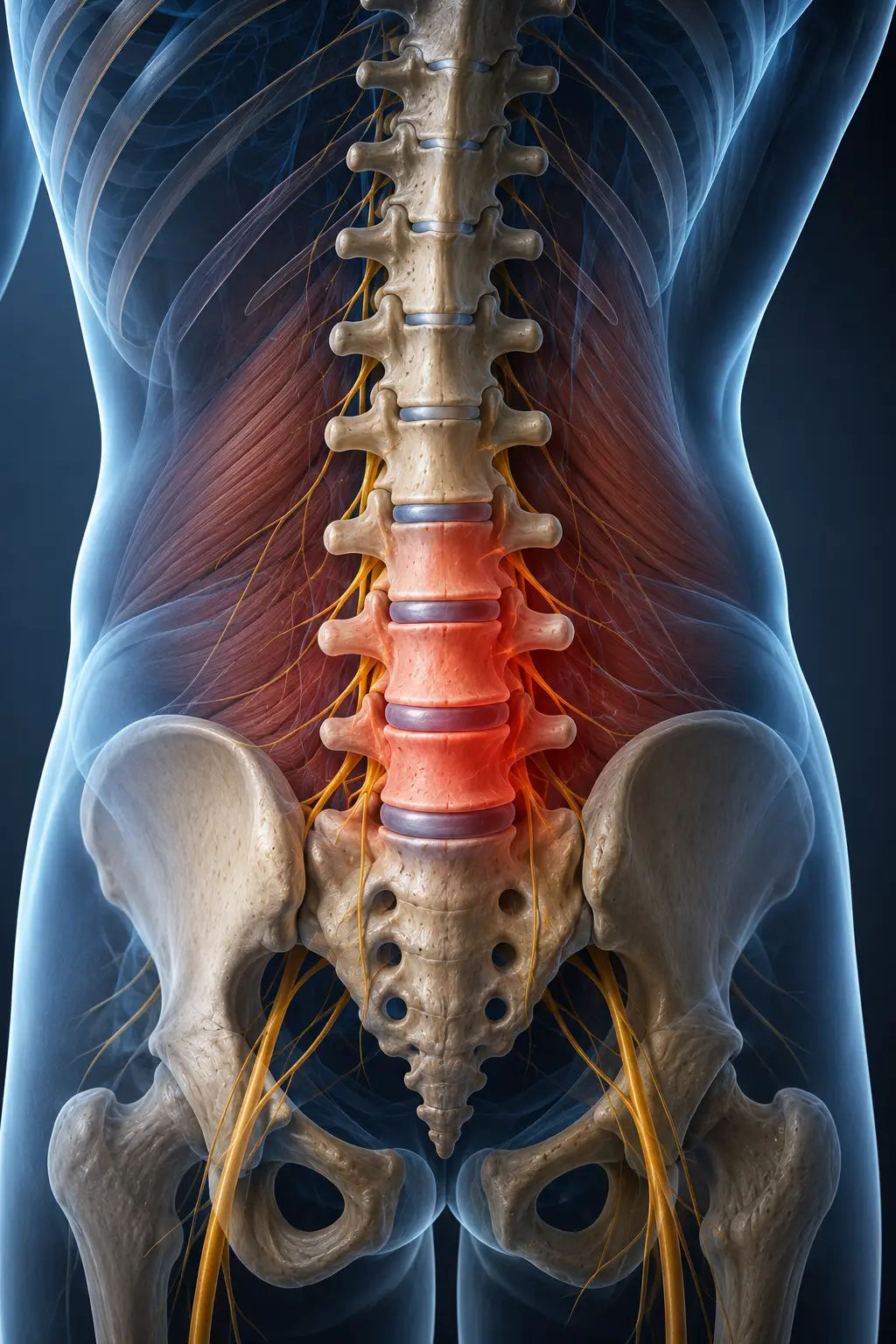

Lower back pain is one of the most common reasons people seek medical care — but it isn’t a diagnosis by itself. Pain may originate from muscles, joints, discs, ligaments, nerves, or several structures working together. For some people, symptoms begin suddenly after lifting, twisting, or injury. For others, pain develops gradually over months or years as the body compensates for weakness, repetitive stress, or changes in movement patterns.
Finding the true source of pain is one of the most important parts of building an effective treatment plan — and it requires more than imaging alone.
Pain lasting longer than three months is generally considered chronic — but that doesn’t necessarily mean the original injury is still present. Sometimes tissue has healed, but the surrounding muscles, joints, nerves, or movement patterns continue placing stress on the area. For others, ongoing inflammation or degeneration continues contributing to symptoms.
The longer pain persists, the more important it becomes to understand why the body hasn’t returned to normal function — because that question often leads somewhere different than the original diagnosis did.

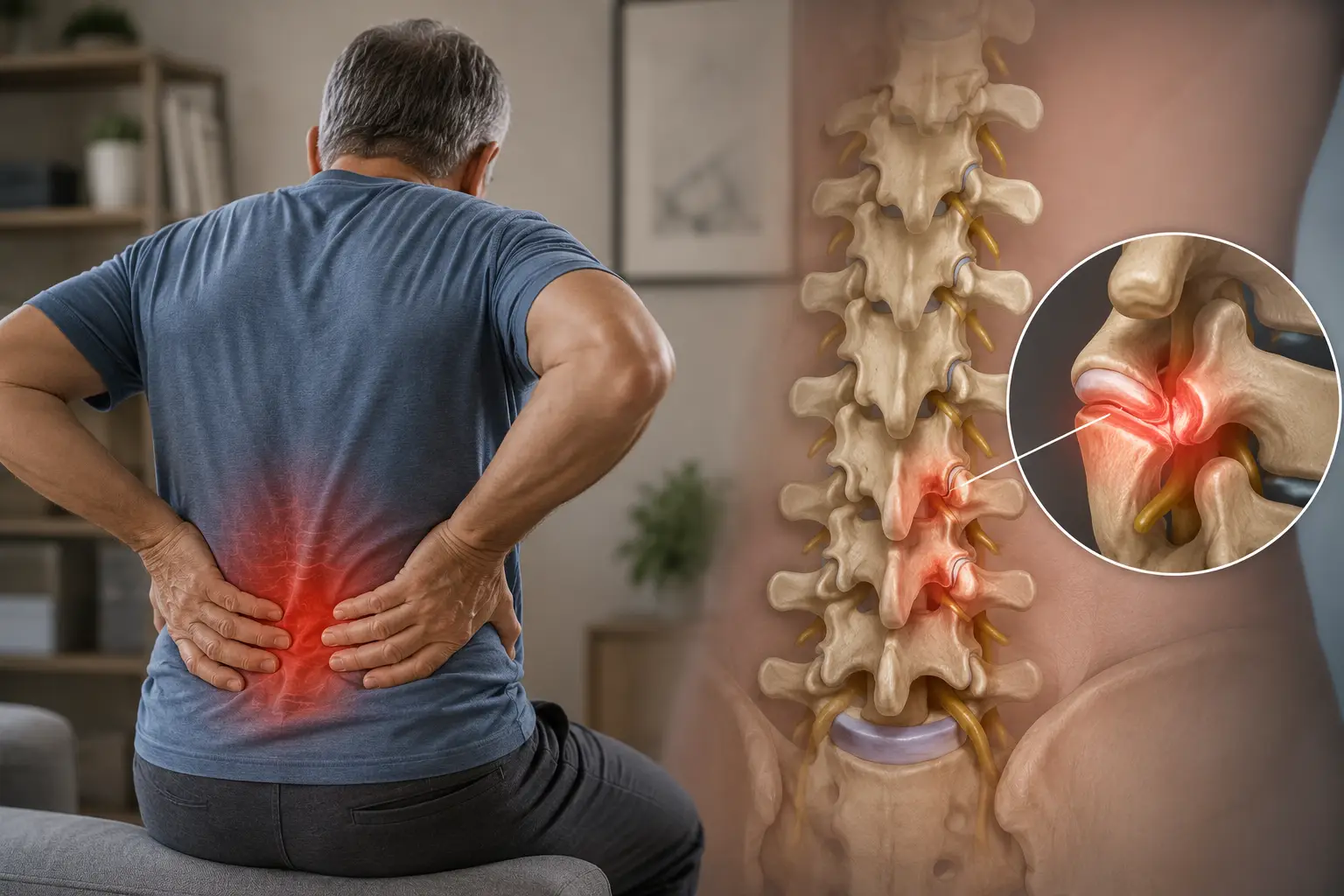
Facet joints are small joints along the back of the spine that guide and control movement between the vertebrae. Like any joint, they can become irritated through arthritis, repetitive stress, injury, or years of accumulated wear. Facet joint pain often worsens with standing, twisting, arching backward, or remaining in one position for extended periods.
Because facet pain closely resembles several other back conditions, an accurate evaluation is essential — and treatment targeted at the wrong structure rarely produces lasting results.
Muscles and ligaments are among the most common sources of lower back pain. They can become strained during lifting, sudden movements, repetitive work, prolonged sitting, or even after periods of inactivity. A strain is a real injury — not a lesser one — and it deserves appropriate care rather than simply being waited out.
Most strains improve with the right approach. When symptoms continue beyond the expected healing window, it typically indicates that additional joints, discs, nerves, or movement patterns are contributing to what keeps pain going.

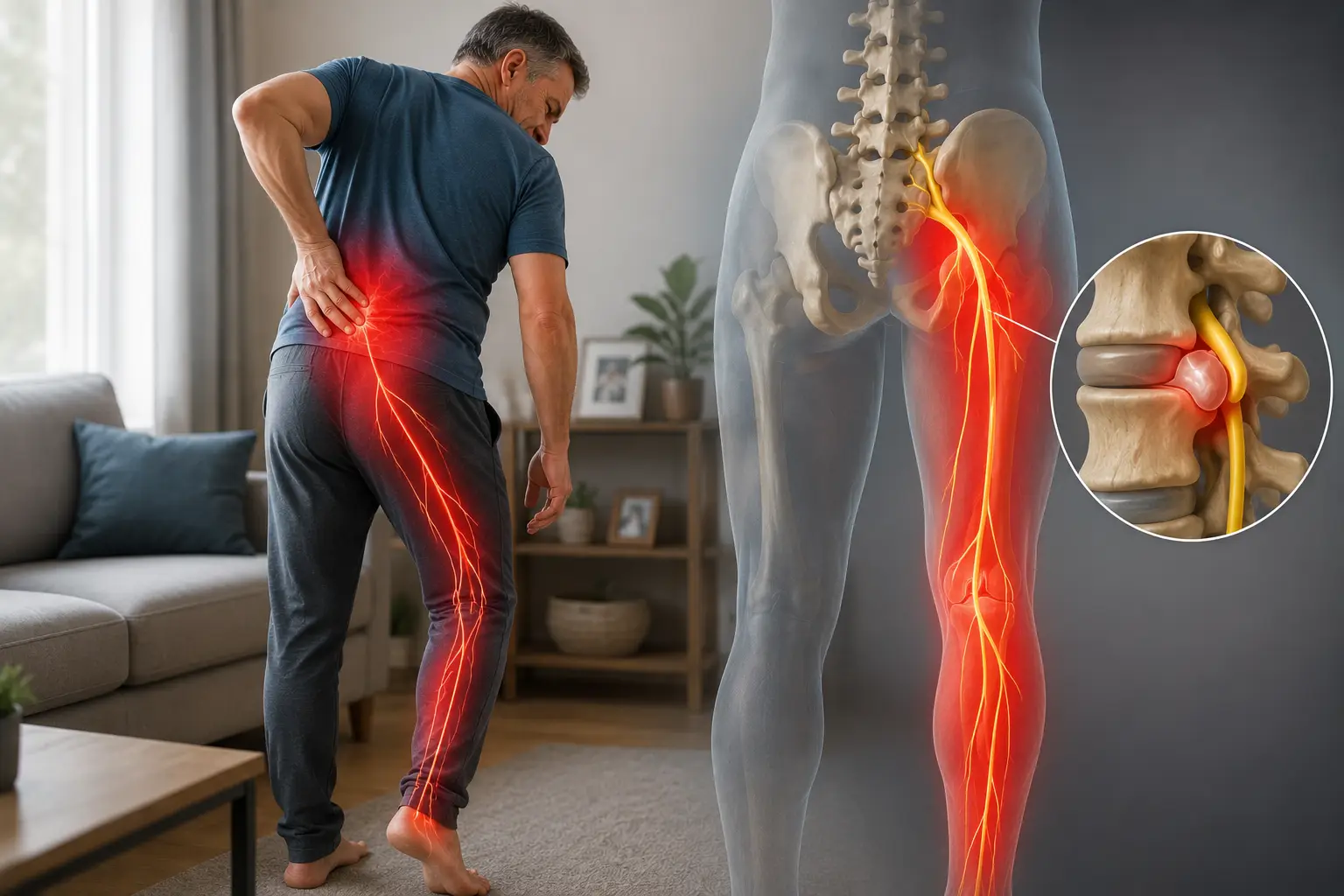
Sciatica describes symptoms caused by irritation of the sciatic nerve — pain that begins in the lower back or buttock before traveling down the back of the leg, sometimes accompanied by numbness, tingling, burning, or weakness. But sciatica is not a diagnosis in itself; it’s a description of where symptoms are going. What’s causing the nerve irritation is the question that actually determines the right treatment.
Herniated discs, spinal narrowing, muscle irritation, or inflammation can all produce sciatica — and each responds to different approaches.
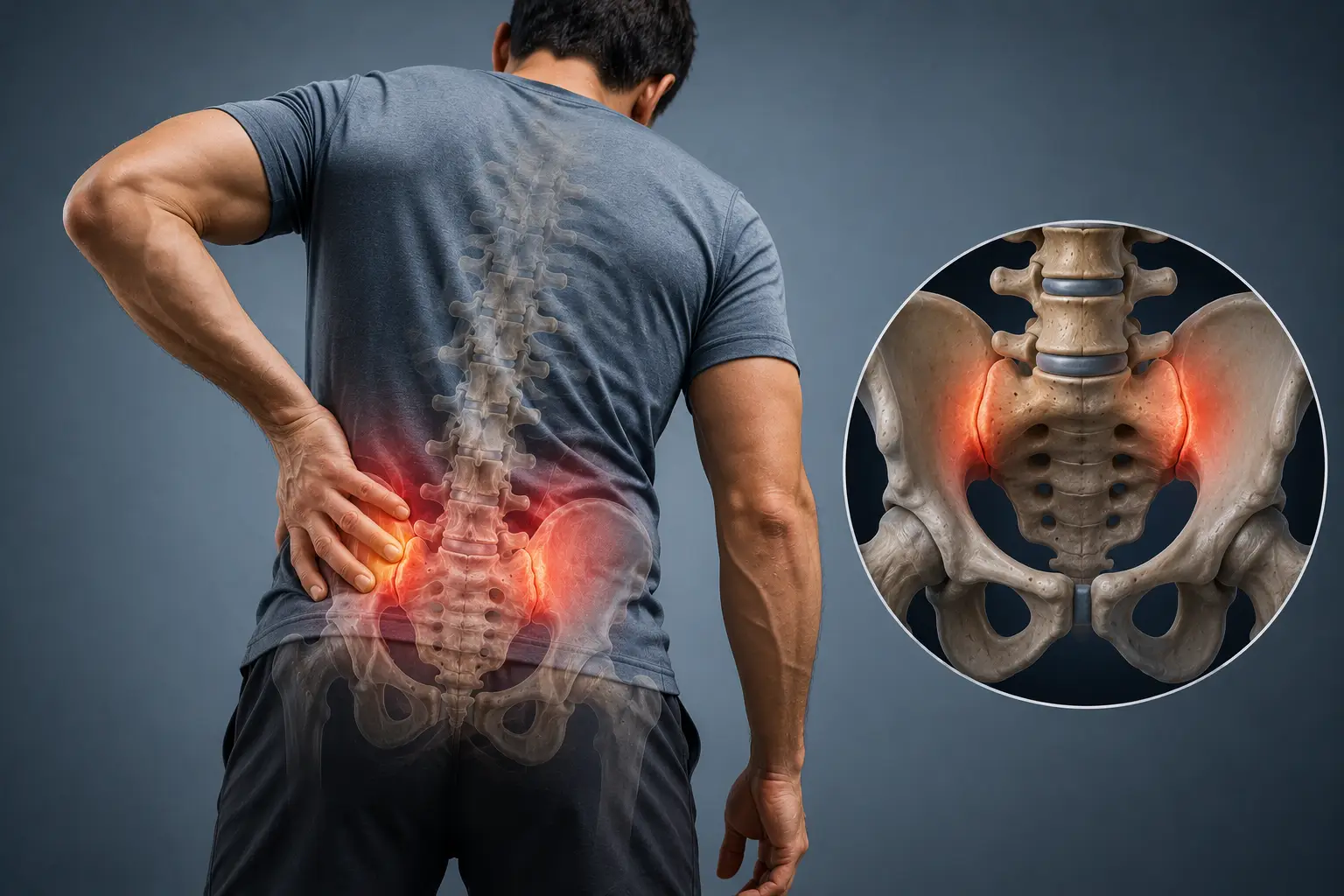
The sacroiliac joints connect your spine to your pelvis. Although relatively small, they transfer tremendous forces every time you stand, walk, climb stairs, or bend. When these joints become irritated or unstable, they typically produce pain in the lower back, buttock, or upper leg — pain that closely mimics several other conditions, including hip problems and sciatica.
SI joint dysfunction is frequently overlooked or misdiagnosed precisely because it looks so similar to other things. Correctly identifying it creates meaningfully more options for successful treatment.

Lower back conditions often produce similar symptoms even when the underlying causes are very different. Common patterns include lower back pain, pain while standing or walking, stiffness, muscle spasms, pain radiating into the buttock or leg, numbness or tingling, weakness, difficulty bending or lifting, pain after prolonged sitting, and symptoms that change with movement or position.
These patterns provide valuable clues — but determining the actual source requires a careful evaluation.
Back pain rarely develops because of a single event. More often, it reflects the cumulative effects of movement patterns, posture, previous injuries, repetitive stress, muscle weakness, arthritis, disc changes, and occupational demands accumulating over time.
Many people assume one MRI finding explains all of their pain. In reality, the lumbar spine functions as part of a much larger system involving the hips, pelvis, abdominal muscles, and legs. When one area compensates for another, the lower back often carries more stress than it was designed to handle — which is one reason two people with similar imaging findings can experience very different symptoms and require very different treatment.

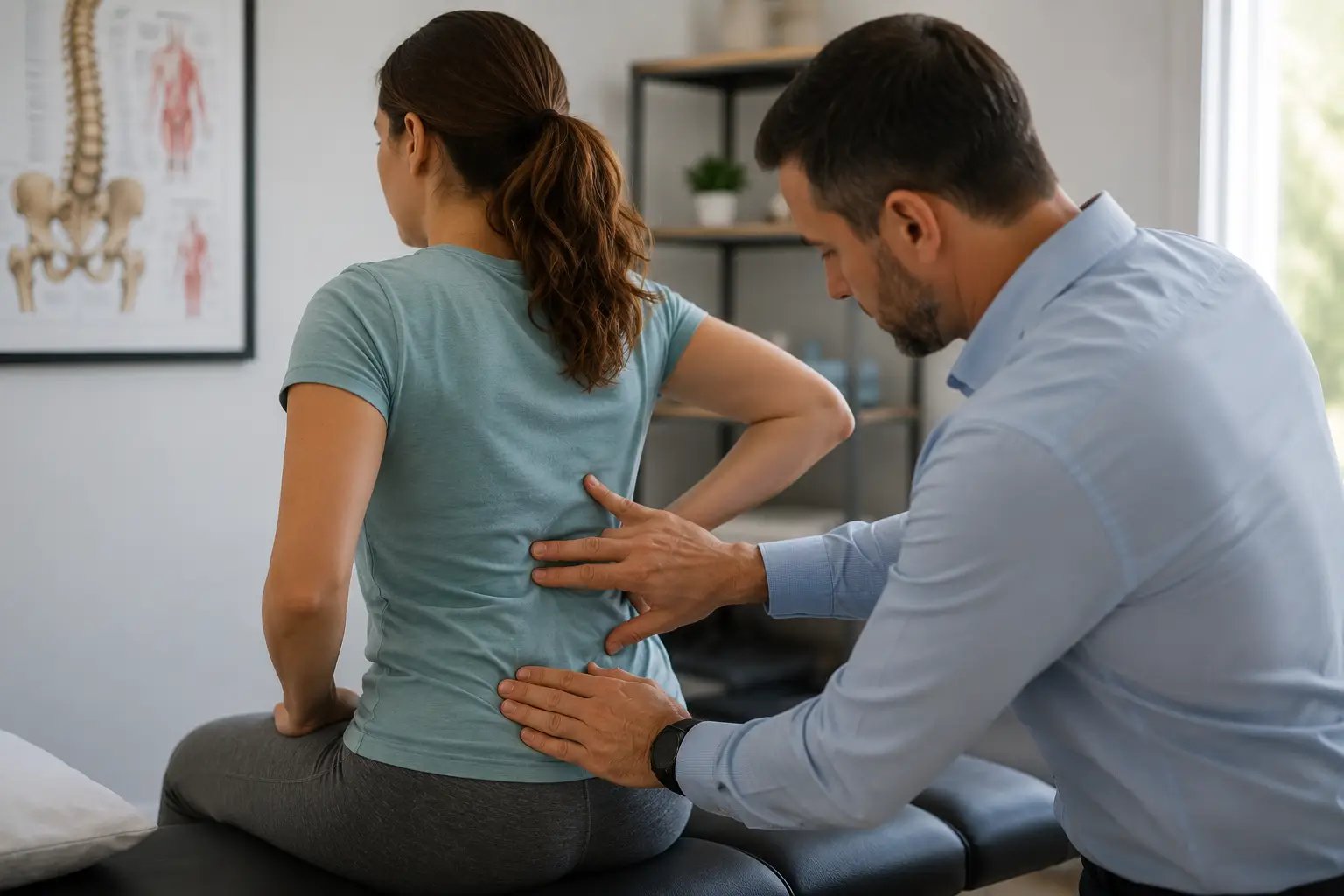
A thorough evaluation begins with understanding your history. Your provider will discuss how your pain began, what movements aggravate it, previous injuries, treatments you’ve already tried, and what you’re hoping to return to.
A detailed orthopedic examination evaluates posture, movement, strength, flexibility, stability, and nerve function — including the relationship between your spine, pelvis, and hips. Because pain doesn’t always originate where it’s felt, the evaluation looks beyond the area that hurts. Imaging is ordered when it will meaningfully contribute to the diagnosis or influence treatment, not as a routine first step.
Every back problem tells a different story, and treatment begins by understanding yours.
After a comprehensive orthopedic evaluation, your provider will discuss which path makes the most sense — whether that’s conservative rehabilitation, referral for surgical consultation, or regenerative medicine designed to support healing within the affected tissues rather than simply manage pain. For patients where broader factors may be influencing healing or recovery, a Total360 Discovery evaluation may also be recommended.
To learn more about how we approach back pain and what regenerative treatment looks like, visit our Regenerative Medicine page.

Not necessarily. Many people experience meaningful improvement once the structures contributing to their pain are accurately identified and appropriately addressed. The key is understanding why the body hasn’t returned to normal function — which isn’t always the same as the original diagnosis.
Sciatica is caused by irritation of the sciatic nerve. Several different conditions — including disc problems, spinal narrowing, muscle irritation, or inflammation — may be responsible, which is why identifying the specific cause matters for choosing the right treatment.
Although they often feel similar and can occur in overlapping areas, they originate from different structures. A thorough evaluation distinguishes between them — which is important because they respond to different treatments.
No. Imaging is most useful when it changes diagnosis or treatment decisions rather than simply confirming changes that are common with age. Your provider will recommend it when it will meaningfully contribute to your care.
Many patients with chronic back pain may be candidates — but not everyone is. Your evaluation will help determine whether regenerative medicine is appropriate for your specific condition, and your provider will give you an honest picture of what it’s likely to accomplish.
A personalized evaluation can identify the source of your pain, explain your options clearly, and help determine the most appropriate path forward for your goals.
Enter your information below to learn how we've helped thousands treat the root source of their pain and helped them truly heal by triggering the body's innate healing system.