
Two people can have the same pain, the same diagnosis, even similar imaging — and still require very different treatment.
Why? Because not all tissues heal the same way. Cartilage heals differently than tendon. Tendon heals differently than ligament. Ligament heals differently than muscle. Understanding which tissue is actually injured — and how that tissue recovers — is often one of the most important steps in choosing the right treatment.
Whether your pain began during a weekend hike, a competitive sport, years of repetitive work, or simply accumulated over time, understanding the biology behind your condition helps explain why healing sometimes happens quickly — and why sometimes it doesn’t.
Your body is remarkably capable of repairing itself. But every tissue follows its own biological timeline, and that timeline is shaped by one factor more than any other: blood supply.
Some tissues — like muscle — receive an abundant blood supply and heal relatively quickly. Others — like cartilage, tendons, and ligaments — receive very little circulation, which is precisely why they heal more slowly and why the same treatment approach that works for a muscle strain often fails for a tendon problem. Age, previous injuries, repetitive stress, inflammation, nutrition, movement patterns, and overall health all influence how successfully damaged tissue repairs itself.
This is one reason two people with similar injuries often experience very different recoveries — and why understanding what tissue is involved, and the environment that tissue needs to heal, is one of the most important parts of building an effective treatment plan.
One of the most frustrating things patients describe is believing an injury should have healed by now. Sometimes they’re right — the original injury has healed, but surrounding joints, muscles, or movement patterns continue creating stress. Other times the injured tissue simply doesn’t receive the circulation or biological support it needs to recover efficiently. Healing is influenced by far more than time alone, which is why identifying the tissue and its specific needs matters as much as naming the condition.
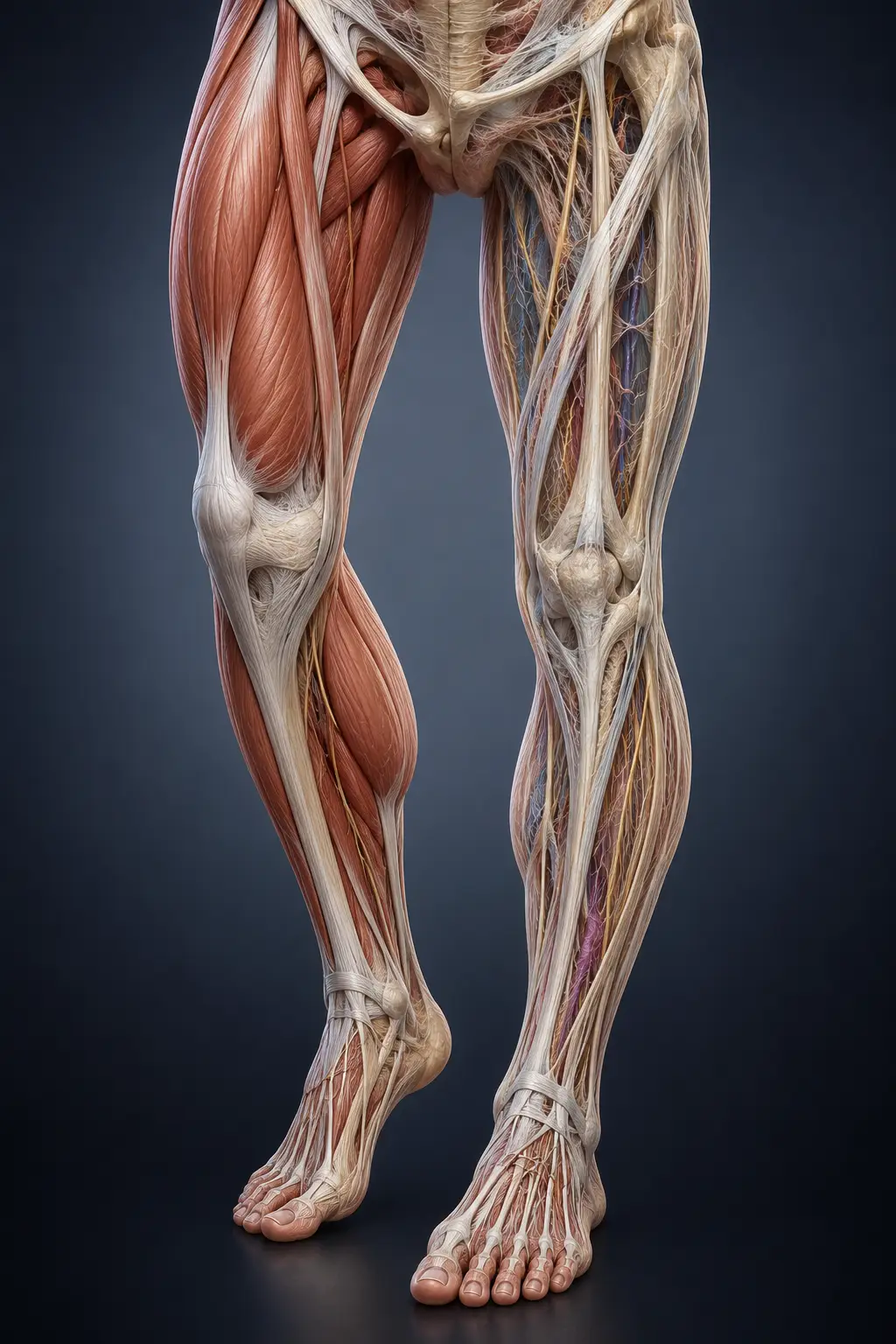
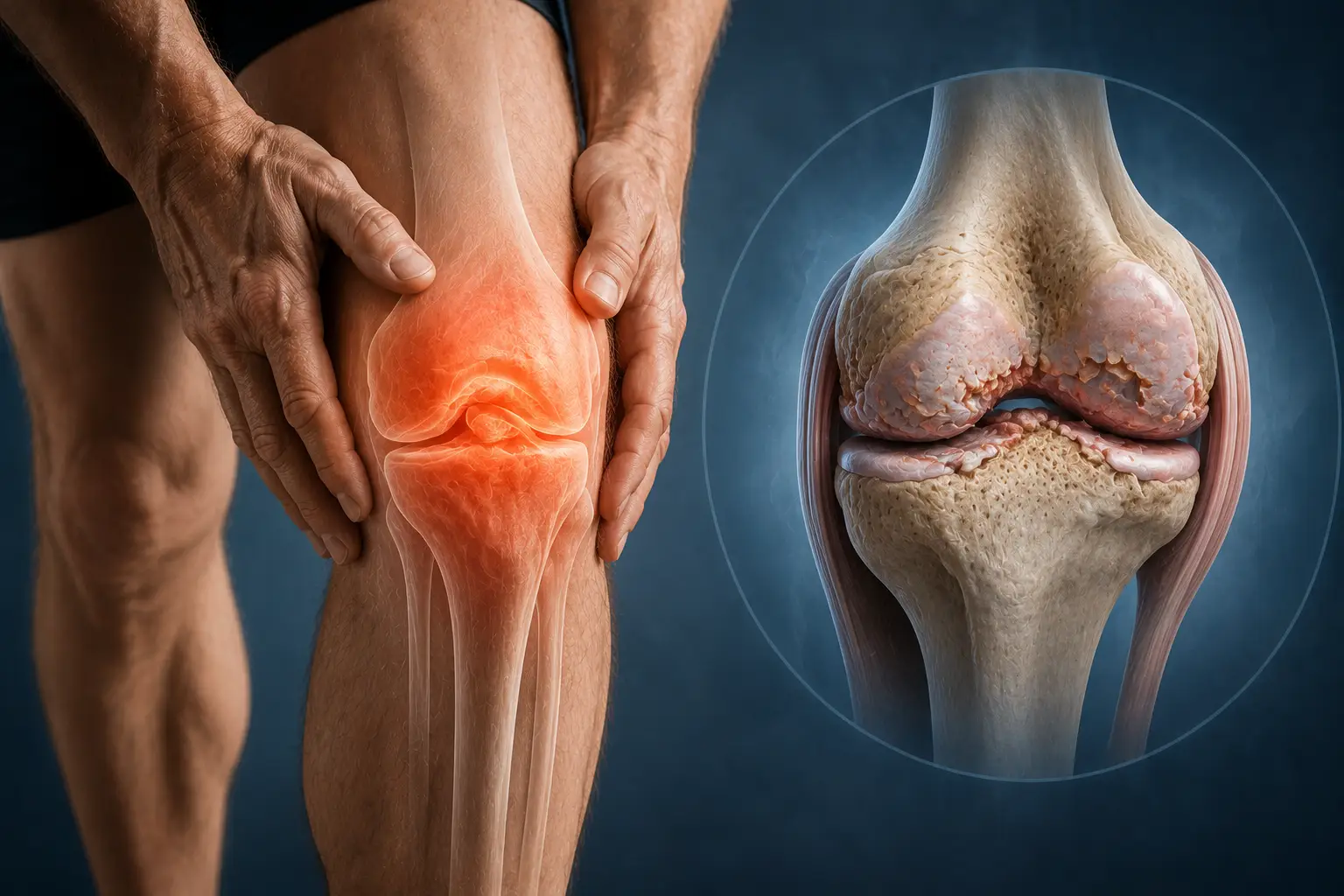
Osteoarthritis develops when the protective cartilage covering a joint gradually wears away. As that smooth surface becomes thinner, movement creates increasing friction, leading to pain, stiffness, swelling, and reduced mobility. Although arthritis becomes more common with age, it isn’t simply a consequence of getting older — previous injuries, repetitive loading, joint mechanics, and muscle weakness all influence how quickly cartilage changes over time.
Understanding why cartilage is breaking down faster than the body can maintain it often creates more opportunities for meaningful treatment than focusing on pain relief alone.
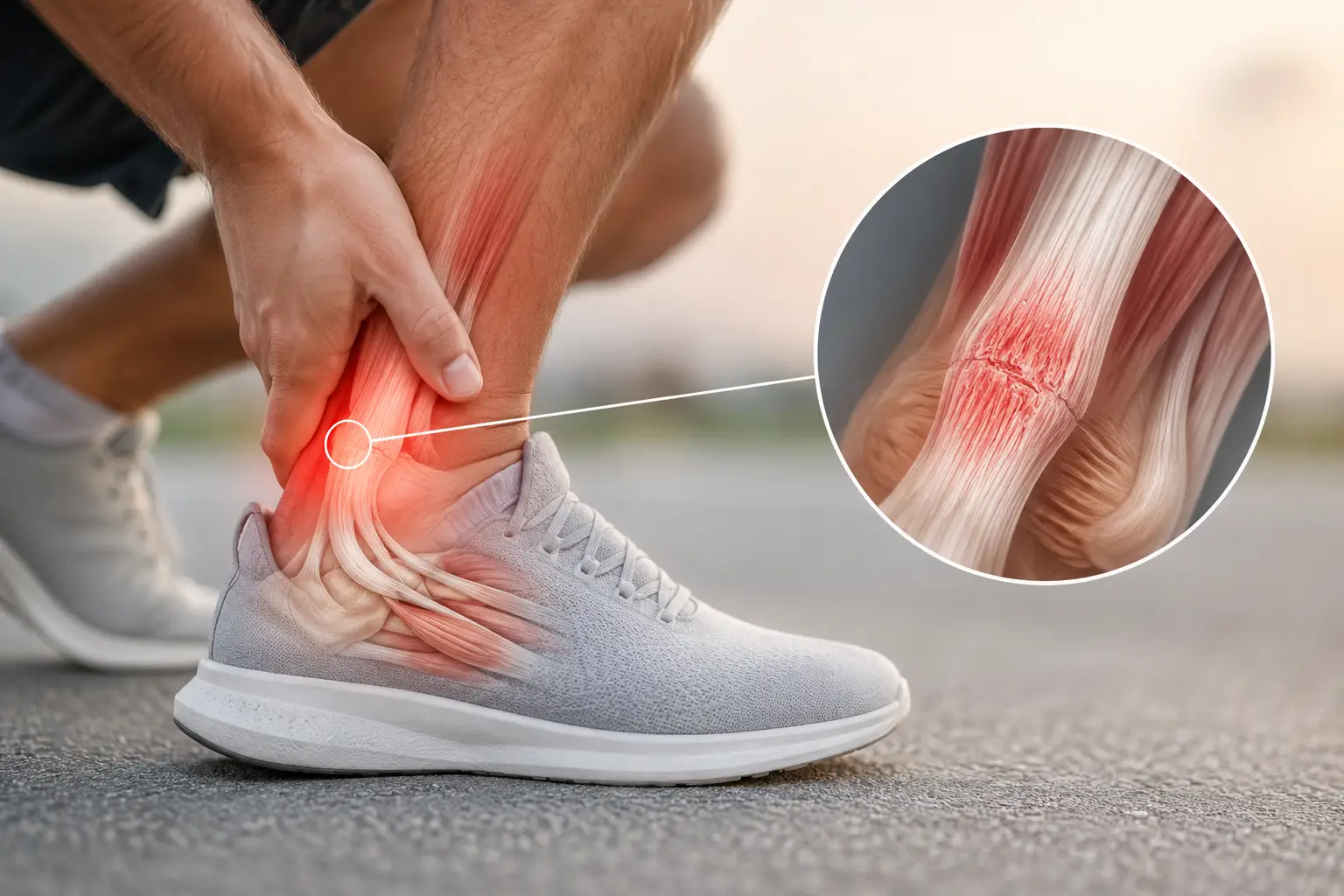
Tendons connect muscles to bone, allowing movement to occur — and because they receive a more limited blood supply than muscles, they often heal more slowly and respond differently to injury. While “tendonitis” suggests inflammation, many long-standing tendon problems actually involve changes within the tendon tissue itself rather than active inflammation. This helps explain why rest alone, or treatments focused only on reducing inflammation, don’t always resolve chronic tendon pain.
Understanding why the tendon stopped recovering is often the key to helping it heal.
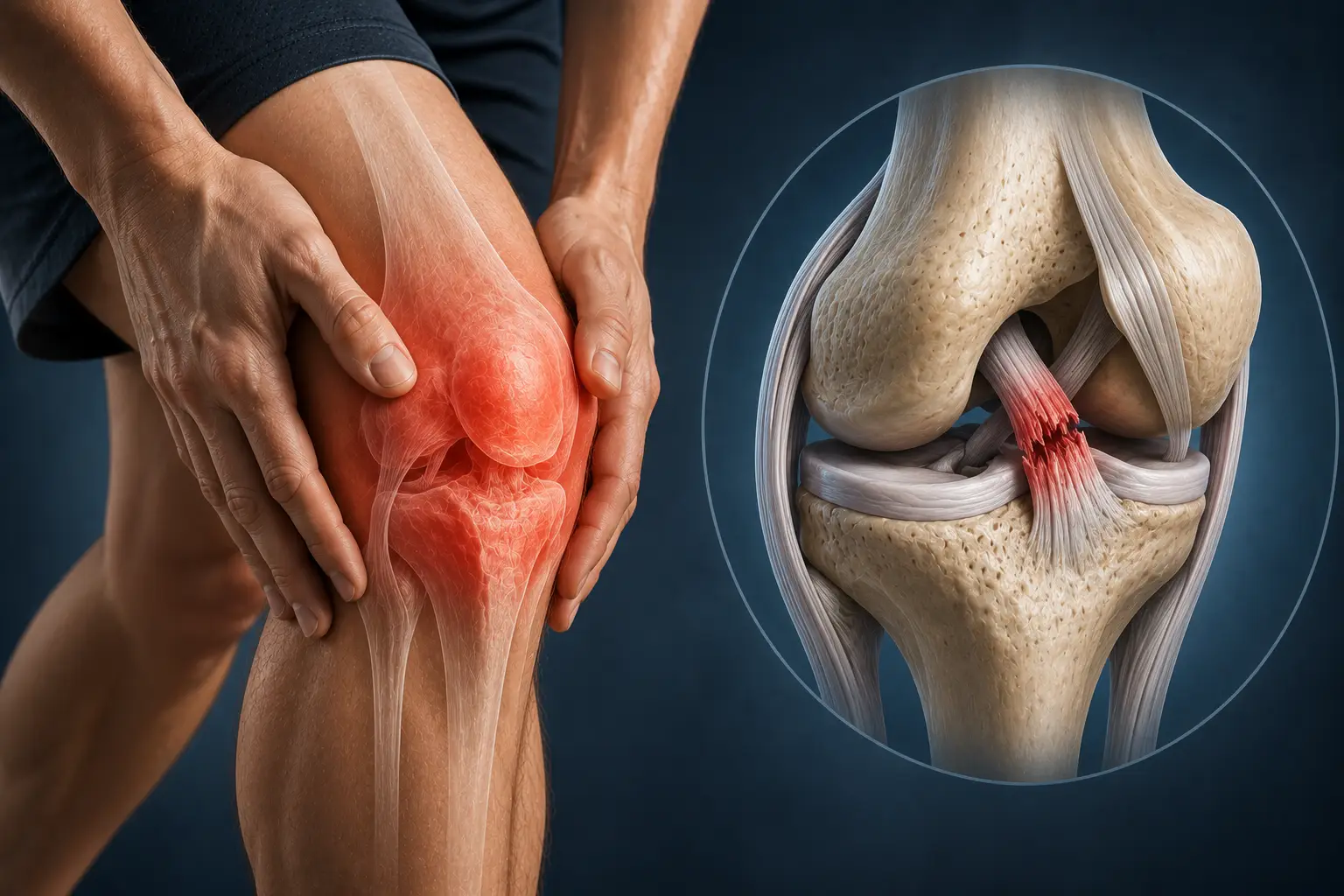
Ligaments connect bone to bone, providing stability to joints throughout the body. Sprains occur when these structures are stretched or torn. Although many ligament injuries heal successfully, recovery depends on more than simply allowing time to pass — strength, stability, balance, coordination, and movement patterns all influence whether the joint returns to normal function.
When these elements aren’t fully restored, lingering instability often leads to recurring injuries and additional stress on surrounding tissues. Identifying and addressing that instability early creates significantly more options for treatment.
Sports injuries aren’t limited to competitive athletes. Weekend hikers, pickleball players, golfers, runners, weightlifters, and gardeners — anyone who asks more of their body than the tissue is prepared to tolerate can develop an injury. Some injuries occur suddenly. Others develop gradually through repetitive loading that slowly exceeds the body’s ability to recover.
The diagnosis matters, but understanding why the injury occurred — and what needs to change to prevent it from returning — is equally important. An injury that keeps coming back is telling you something about the underlying pattern that treatment hasn’t yet addressed.
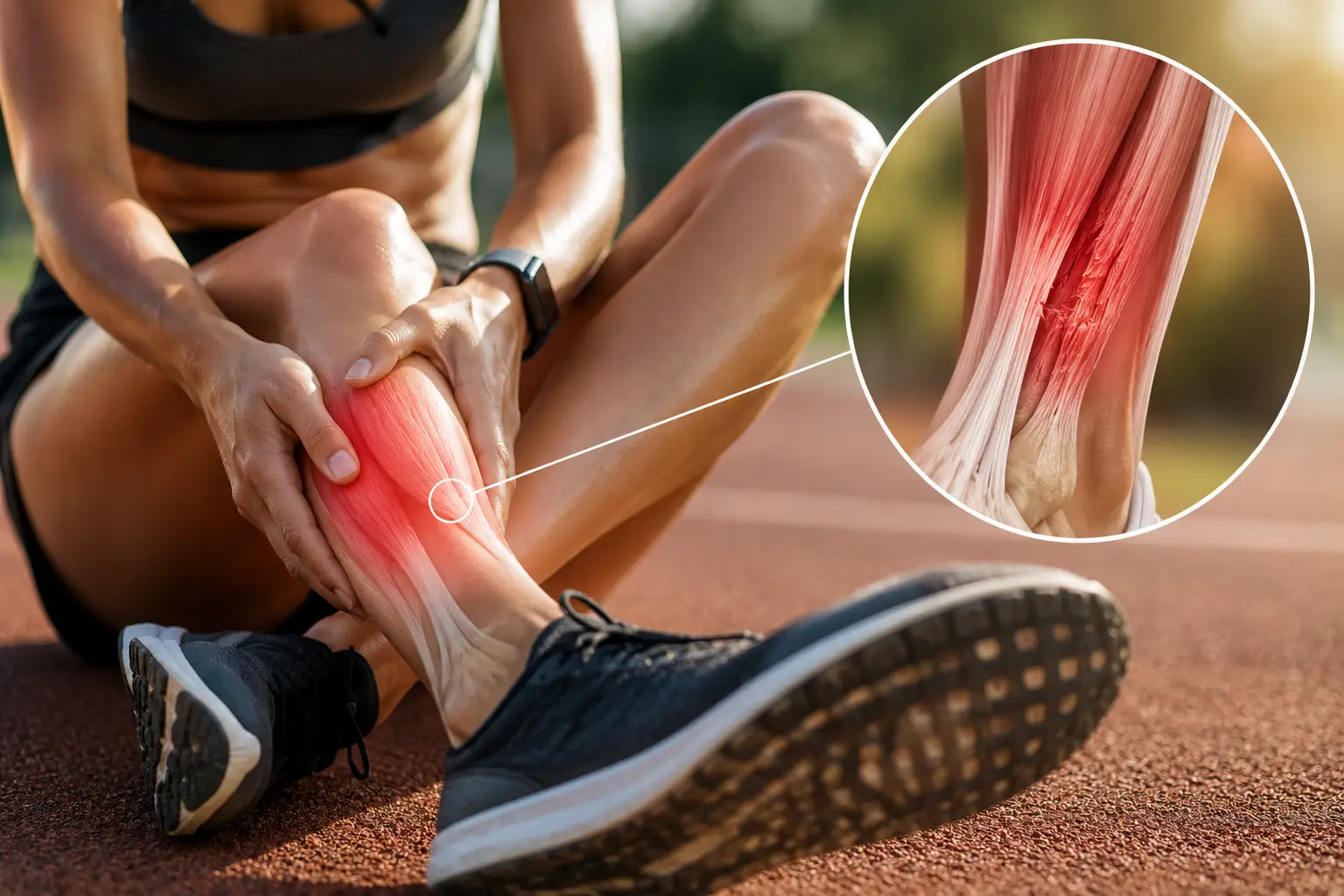
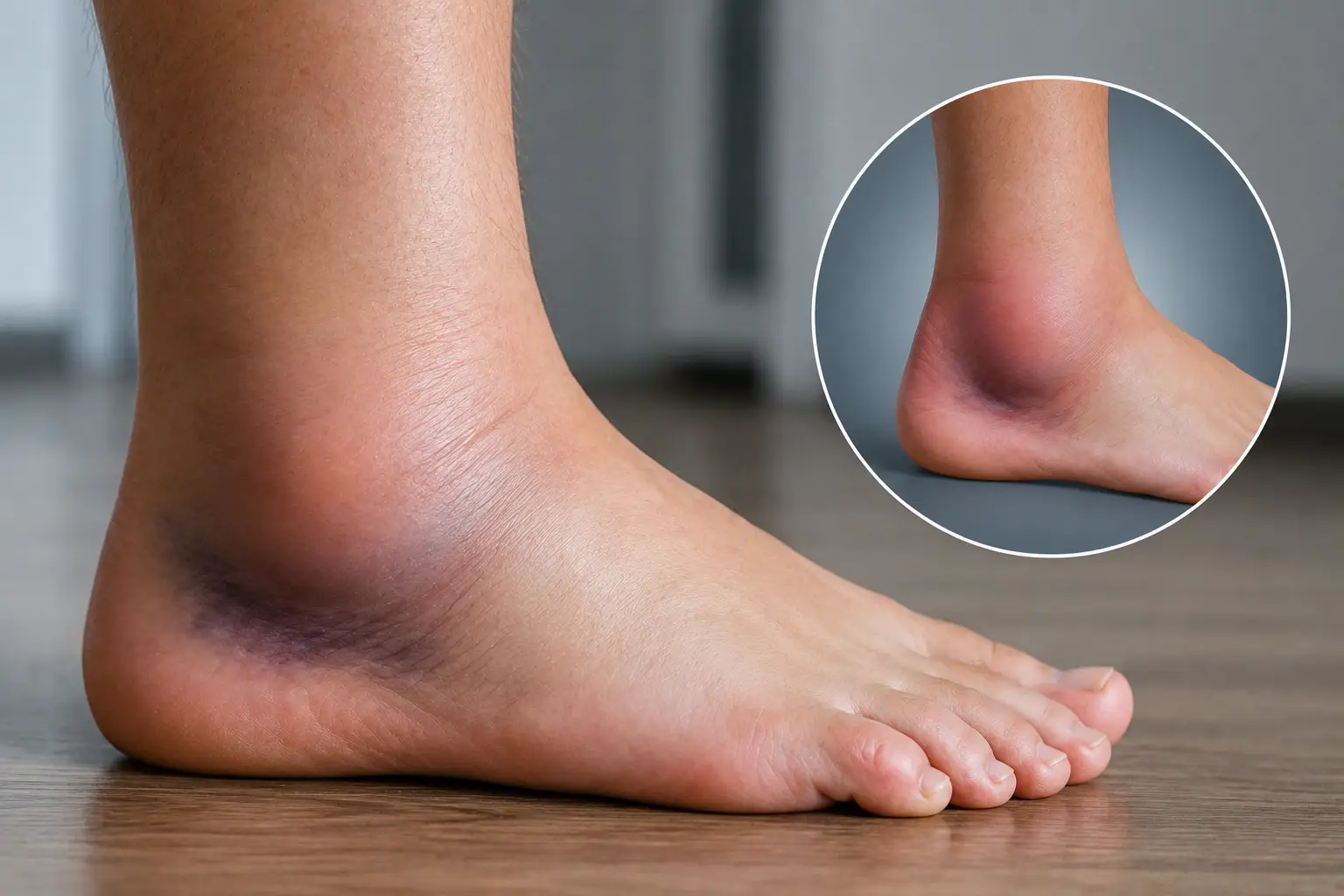
Many musculoskeletal conditions produce similar symptoms even when the underlying tissue is completely different. Common patterns include pain, swelling, stiffness, weakness, reduced mobility, tenderness, instability, difficulty returning to normal activity, and symptoms that improve temporarily but keep returning.
These patterns provide valuable clues — but identifying the tissue responsible requires a careful evaluation.
A thorough evaluation begins by understanding your story. Your provider will discuss when your symptoms began, how they’ve changed, which activities reproduce them, previous injuries, treatments you’ve already tried, and what you’re hoping to return to.
A detailed orthopedic examination determines which tissue is responsible for your symptoms while evaluating strength, mobility, stability, and movement patterns. Because pain doesn’t always originate where it’s felt, the evaluation considers how different structures work together rather than focusing only on the painful area. Imaging is ordered when it will meaningfully contribute to the diagnosis or influence treatment — not as a routine first step.
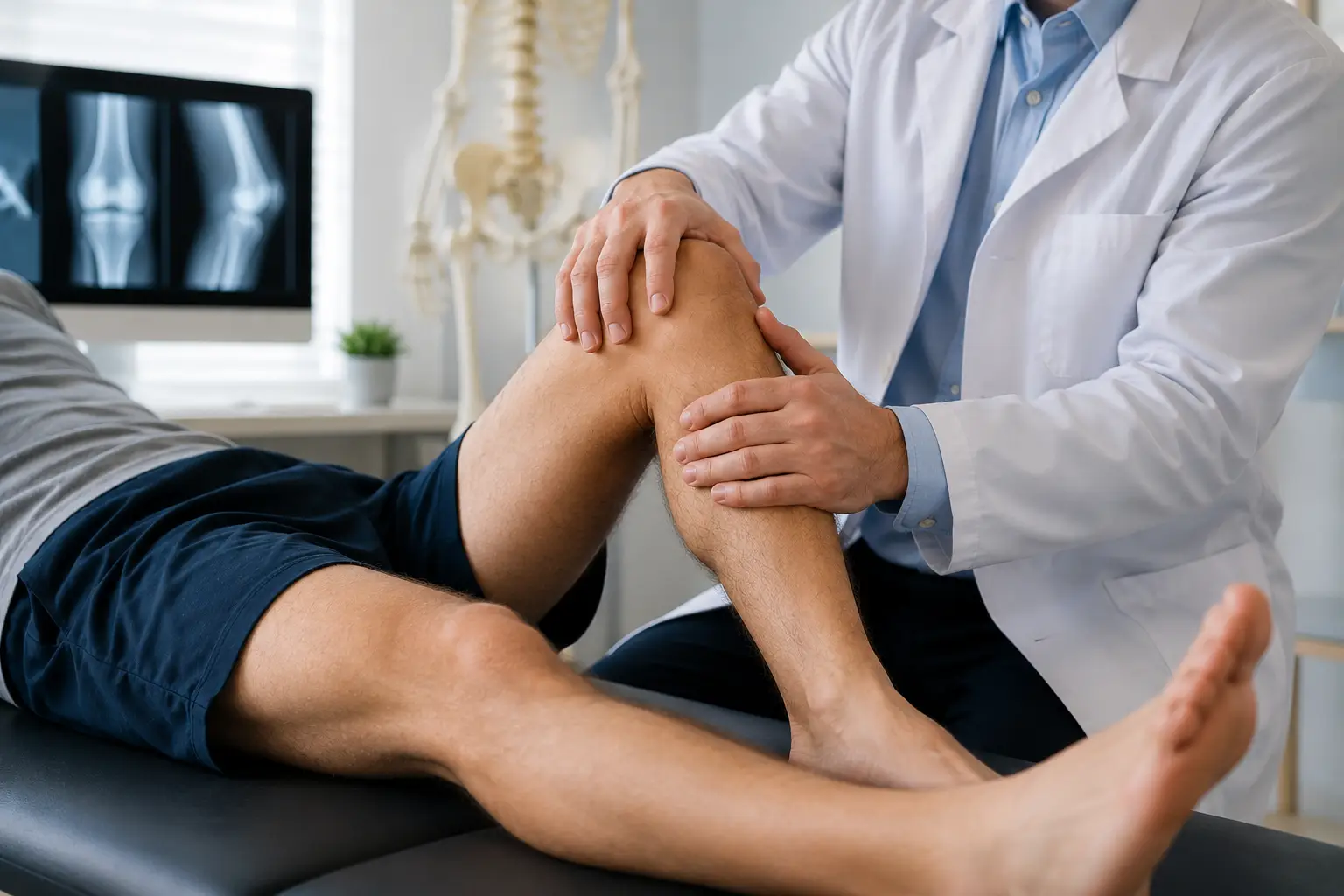

Every injury tells a different story, and treatment begins by understanding yours.
After a comprehensive orthopedic evaluation, your provider will discuss which path makes the most sense — whether that’s conservative rehabilitation, referral for surgical consultation, or regenerative medicine designed to support healing within the affected tissues rather than simply manage symptoms. For patients where broader factors may be influencing healing or recovery, a Total360 Discovery evaluation may also be recommended.
To learn more about how regenerative medicine supports tissue healing, visit our Regenerative Medicine page.
Tendonitis typically refers to inflammation of a tendon, while tendinopathy is a broader term describing changes within the tendon tissue itself — changes that often develop over time without ongoing inflammation. Many chronic tendon conditions involve degeneration rather than active inflammation, which is one reason treatments aimed at reducing inflammation often provide only partial or temporary relief.
Age plays a role, but previous injuries, joint mechanics, muscle strength, activity level, genetics, and overall health all influence how joints change over time. Two people of the same age with similar activity levels can experience very different arthritis progression for reasons that a thorough evaluation can often identify.
Recurring injuries typically indicate that the underlying cause hasn’t been fully addressed. Weakness, instability, altered movement patterns, or incomplete tissue healing may continue placing stress on the area — meaning the injury never fully resolved, even when symptoms temporarily improved.
No. Regenerative medicine can be an excellent option for many tendon, ligament, joint, and soft tissue conditions — but it isn’t appropriate for every diagnosis or every patient. Your evaluation is what determines whether it’s the right choice for your specific situation.
Many musculoskeletal conditions produce similar symptoms. A comprehensive orthopedic evaluation identifies the tissue responsible and determines the most appropriate treatment options — which is why evaluation should come before treatment, not after.
A personalized evaluation can identify the tissue responsible for your symptoms, explain your treatment options clearly, and help determine the most appropriate path forward for your goals.
Enter your information below to learn how we've helped thousands treat the root source of their pain and helped them truly heal by triggering the body's innate healing system.