Your Knees Were Designed to Keep You Moving. When They Hurt, Life Gets Smaller.

Walking the dog. Climbing stairs. Working in the garden. Playing with your grandchildren. Getting up from the floor.

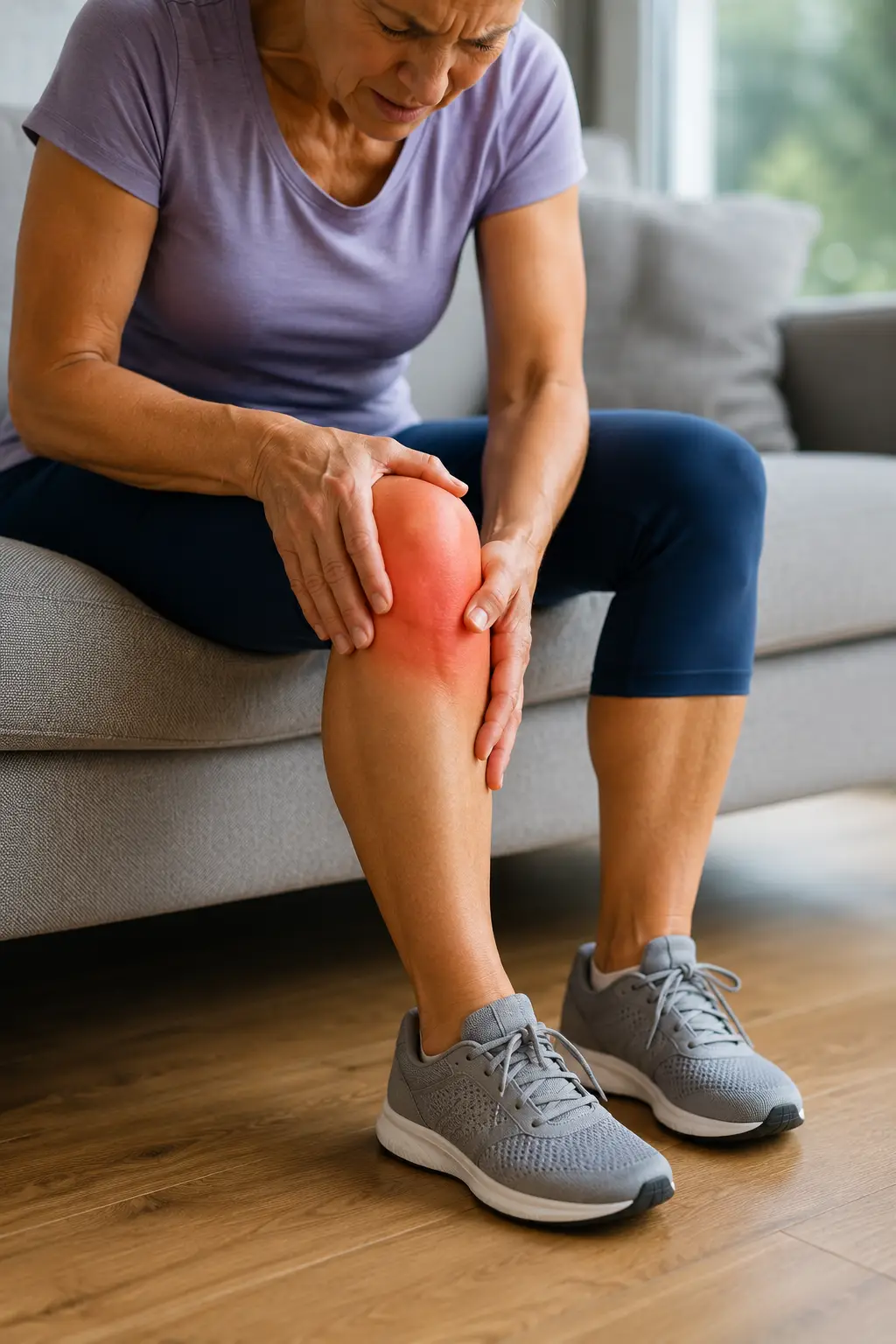
Your knees quietly support thousands of movements every day. Most of the time, you never think about them. Until one day, every step reminds you they’re there.

Maybe your pain began after a twisting injury. Maybe it crept in so gradually you can’t remember exactly when it started. Perhaps you’ve already been told you have arthritis, a meniscus tear, or “just wear and tear.”

Whatever name has been given to it, one question matters more than any other: why is your knee hurting?

Understanding what’s happening inside your knee is the first step toward choosing the treatment that’s right for you.

Understanding Your Knee

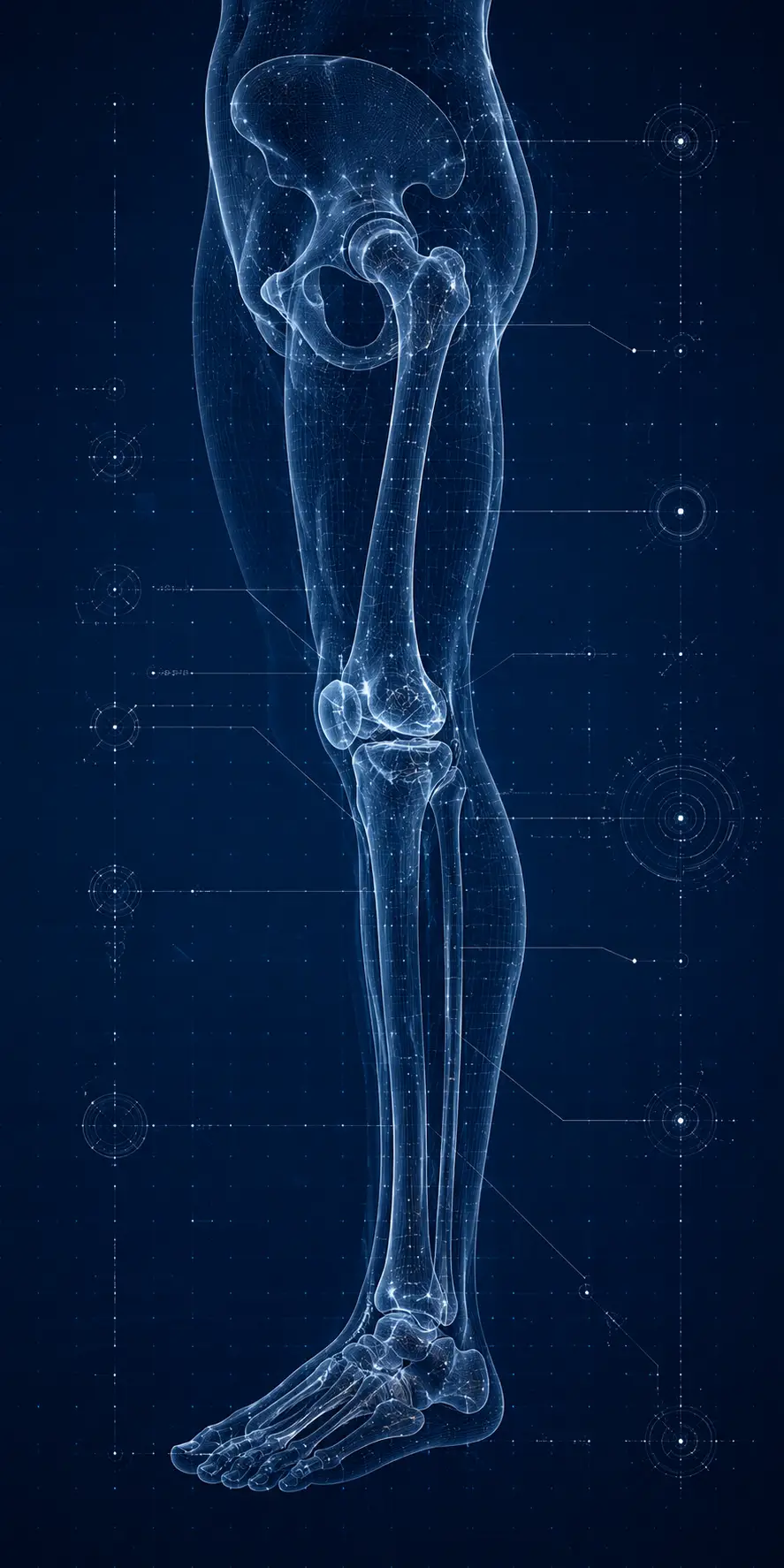
Your knee is one of the largest and most complex joints in the human body — not simply a hinge, but a carefully coordinated system of bones, cartilage, menisci, ligaments, tendons, muscles, nerves, and joint fluid all working together to provide strength, stability, shock absorption, and smooth movement.

When one part of that system stops functioning well, the rest of the joint begins to compensate. Sometimes those compensations help for a while. Eventually, they often create new stress, new movement patterns, and new sources of pain — which is why the original problem and the current pain aren’t always in the same place.

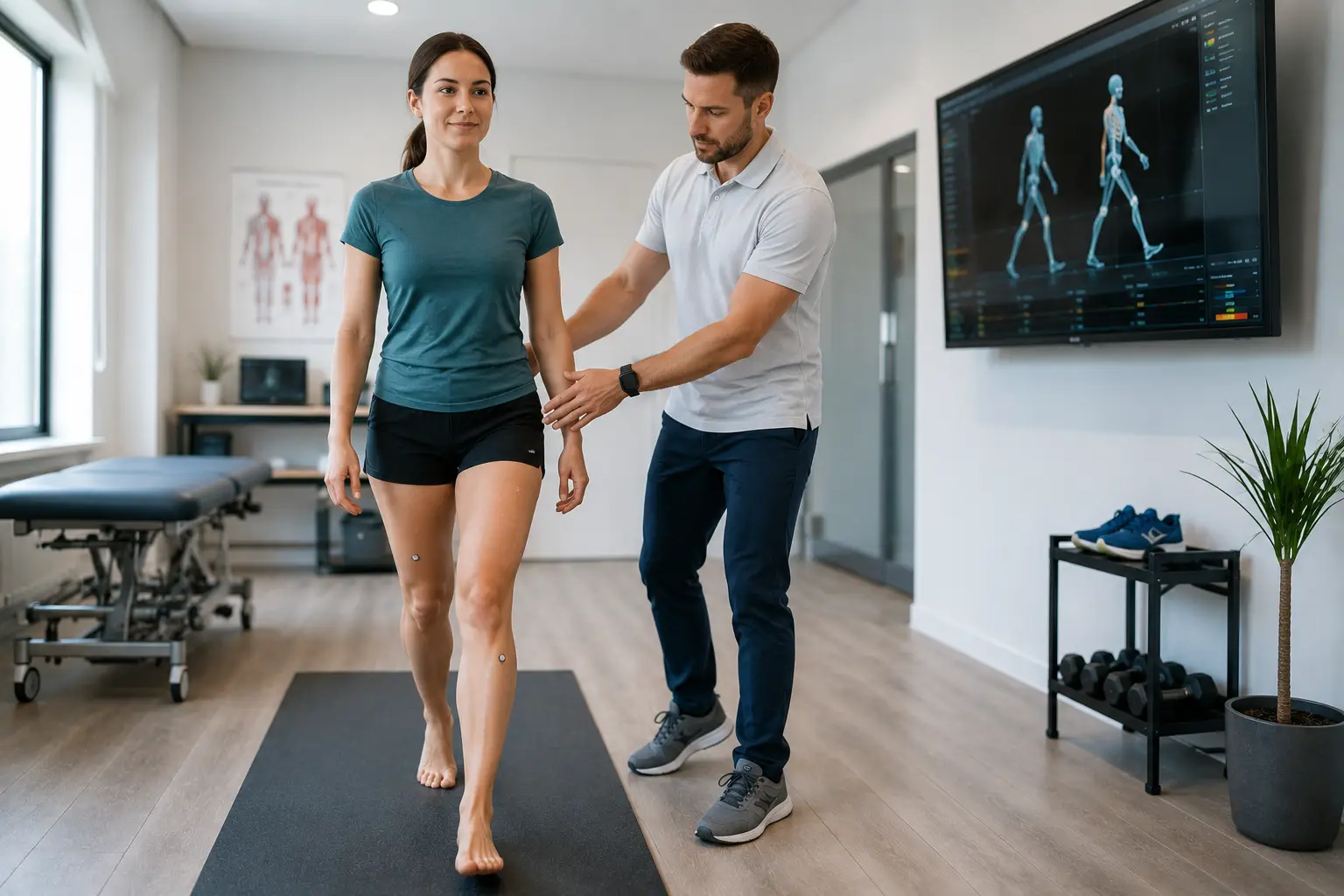
Your knee doesn’t work alone. Every step depends on your hips, thighs, calves, ankles, and feet working together to guide and stabilize the joint. When one part of that chain becomes weak, tight, or begins compensating, the knee often absorbs forces it was never designed to handle. This is one reason two people with the same MRI finding can experience very different symptoms — and why understanding why your knee is under stress matters as much as identifying where it hurts.


What Could Be Causing Your Knee Pain?

Knee pain isn’t a diagnosis—it’s a symptom.

Several different structures inside and around the knee can become injured or stop functioning the way they’re designed to. Understanding which structure is involved is one of the most important steps toward choosing the right treatment.

Knee Arthritis

Osteoarthritis develops when the protective cartilage covering the ends of the bones gradually wears away. As that surface thins, movement creates increasing friction within the joint. You may notice stiffness in the morning, aching after activity, swelling, or pain on stairs — often long before imaging shows severe changes.

Many people assume arthritis simply means getting older. It doesn’t. Understanding why cartilage is breaking down faster than the body can maintain it is often where the most meaningful treatment opportunities are found.

Meniscus Tears

Your knee contains two menisci — crescent-shaped pieces of cartilage that act as shock absorbers between the bones. A meniscus may tear suddenly during a twisting injury, but many tears develop gradually as the tissue becomes less resilient over time.

Some tears create locking, catching, or instability. Others produce persistent pain that never fully resolves. Not every meniscus tear requires surgery — the type, location, and stability of the tear play an important role in what treatment makes sense.

Runner's Knee

Despite the name, runner’s knee affects far more than runners. It develops when the kneecap no longer tracks smoothly within its groove — a problem driven by muscle imbalances, changes in flexibility, altered movement patterns, or repetitive stress.

Pain is typically felt around or behind the kneecap and tends to worsen with stairs, squatting, or prolonged sitting. The more useful question isn’t just how to calm the pain — it’s why the kneecap is under abnormal stress in the first place.

Ligament Injuries

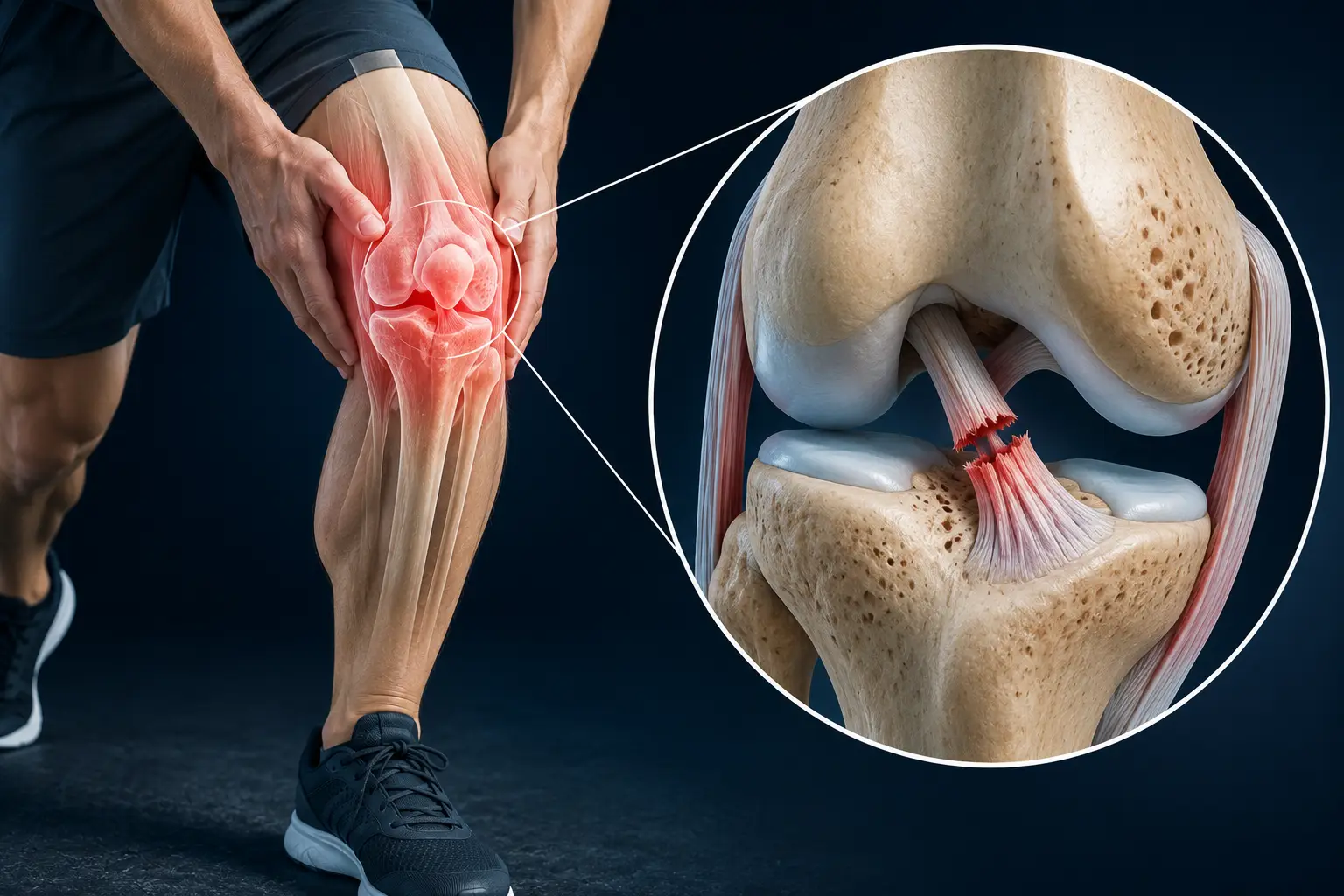
The ACL, PCL, MCL, and LCL stabilize the knee against twisting and rotational forces. These injuries commonly occur during sports, falls, or sudden changes in direction — and they range considerably in severity.

Treatment depends on which ligament is involved, the degree of injury, and your activity goals. Some ligament injuries heal well without surgery. Others require it.

Tendon and Soft Tissue Injuries

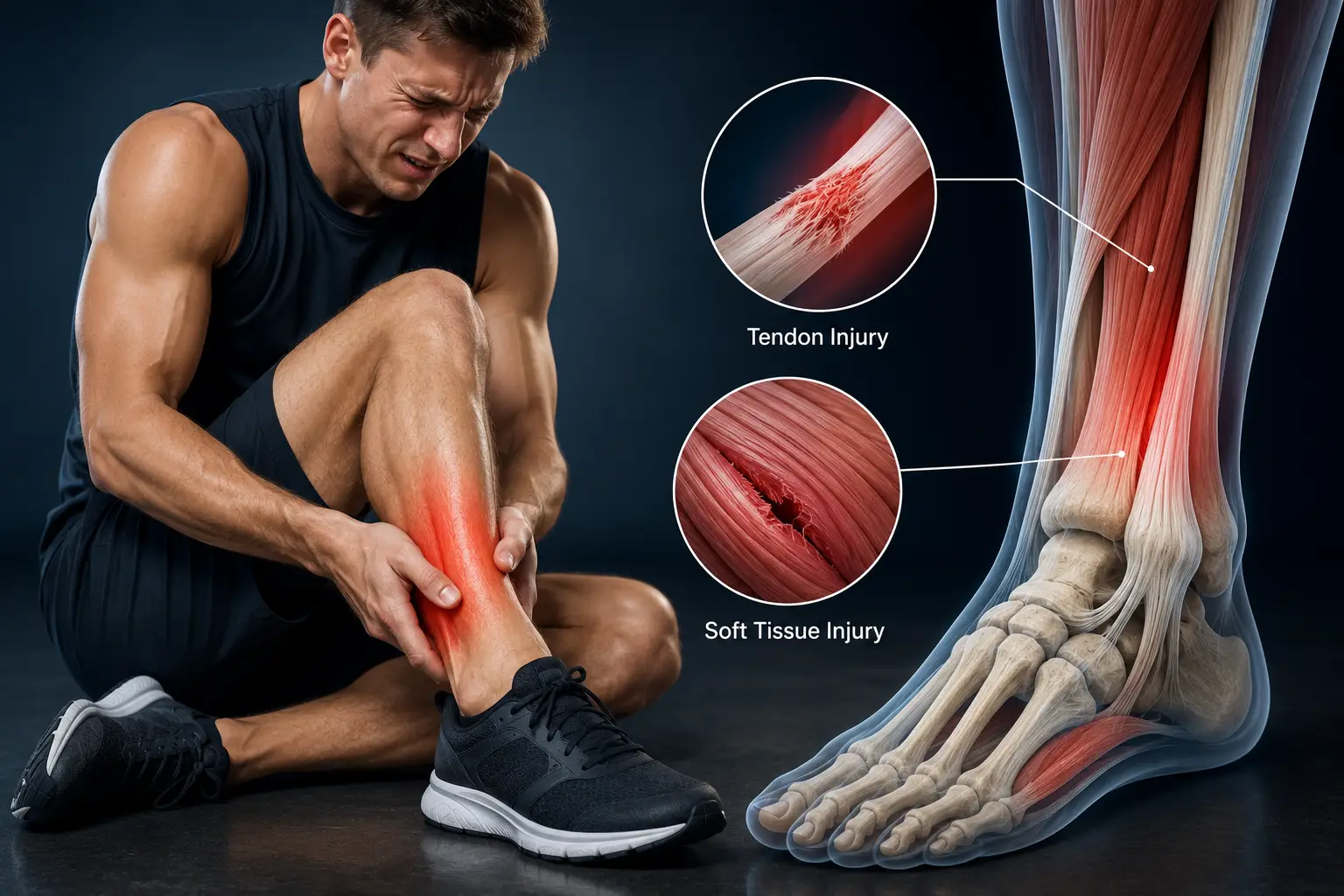
Not all knee pain originates inside the joint. Tendons, bursae, and surrounding soft tissues can become irritated through overuse, repetitive strain, or altered movement — producing symptoms that closely mimic joint pain.

Patellar tendonitis, iliotibial band irritation, and bursitis are among the most common causes. Correctly identifying the source is what makes the difference between treatment that works and treatment that misses the mark.

Common Symptoms

Knee conditions often produce similar symptoms even when the underlying causes are very different. Common patterns include pain with walking, climbing or descending stairs, swelling, stiffness, clicking or grinding, a feeling the knee may give out, difficulty kneeling or squatting, and pain that worsens with activity and improves with rest.

These symptoms provide important clues — but a careful evaluation is what determines which structure is actually responsible.

Why Knee Problems Develop

There is rarely a single cause. Knee pain typically develops through a combination of factors — acute injury, repetitive stress, muscle weakness or imbalance, previous injuries, arthritis, and the cumulative effects of time and use. This is why two people with the same diagnosis often need very different treatment plans.

How Knee Problems Are Diagnosed

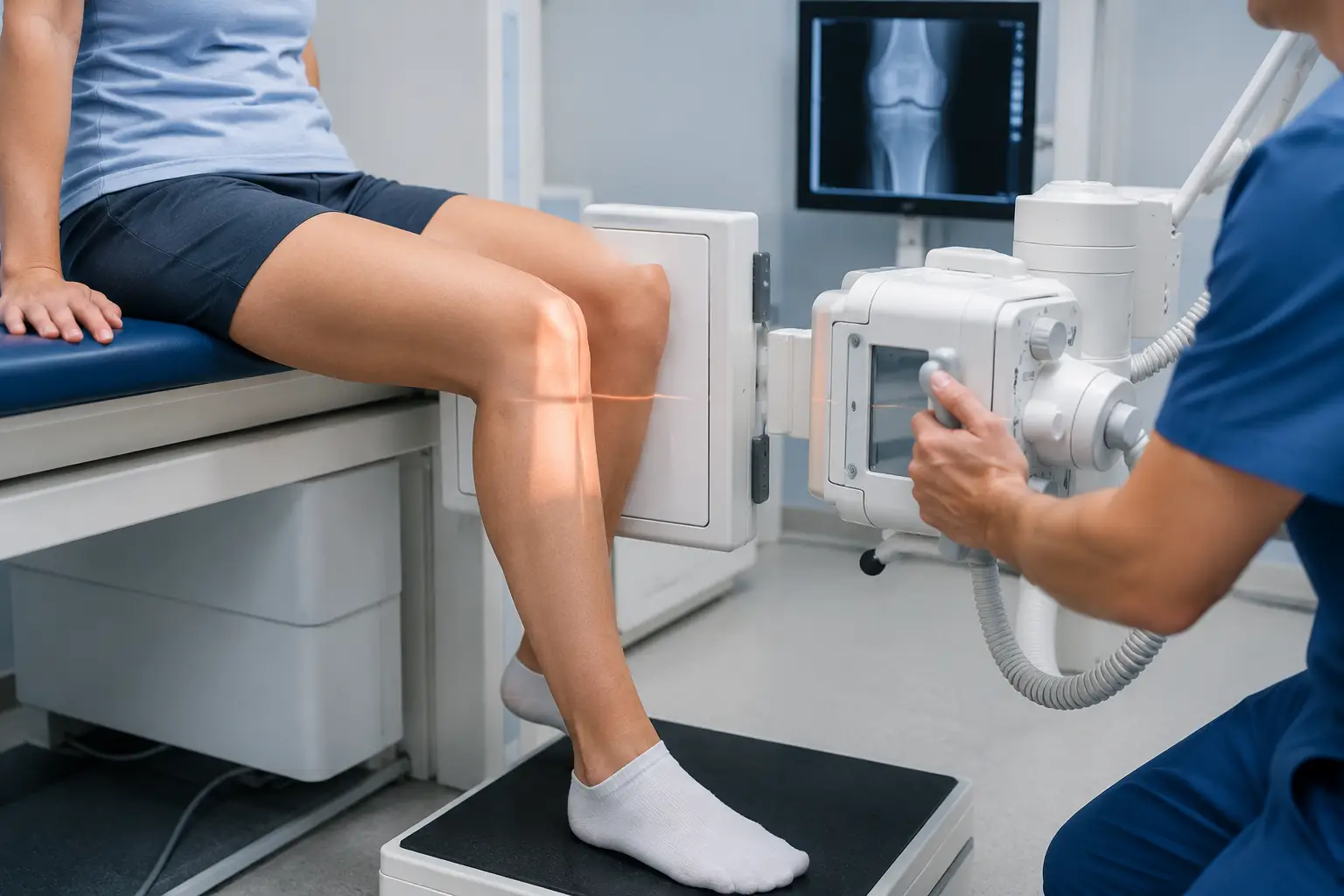
A thorough evaluation begins long before imaging. Your provider will want to understand how your pain started, which movements aggravate it, your injury history, what you’ve already tried, and what you’re hoping to return to. This is followed by a detailed orthopedic examination assessing strength, stability, mobility, and alignment.

Imaging — X-ray or MRI — is ordered when it will meaningfully change the evaluation or treatment plan, not as a routine first step.

How Denali Approaches Knee Pain

Every knee tells a different story, and treatment begins by understanding yours.

After a comprehensive orthopedic evaluation, your provider will discuss which path makes the most sense — whether that’s conservative rehabilitation, referral for surgery, or regenerative medicine designed to support tissue repair from within rather than simply manage pain. For patients where broader factors may be influencing healing, a Total360 Discovery evaluation may also be recommended.

To learn more about how we treat knee pain and what that process looks like, visit our Regenerative Medicine page.

FAQs

Can knee arthritis improve without surgery?

Many people manage knee arthritis successfully without surgery, and some experience meaningful improvement with the right combination of care. The most appropriate path depends on the severity of your arthritis, your symptoms, and your goals.

No. Many tears can be treated without surgery. The type, location, and stability of the tear — alongside your specific symptoms — play an important role in that decision.

Clicking or popping isn’t always a sign of serious injury. When it’s accompanied by pain, swelling, locking, or instability, it deserves evaluation.

Many patients with chronic knee pain may be candidates — but not everyone is. Your evaluation will help determine whether it’s appropriate for your specific condition.

Stop Guessing. Start Understanding.

Ready to Understand What's Causing Your Knee Pain?

A personalized evaluation can identify the source of your pain, explain your options clearly, and determine the most appropriate next step for your situation.

10 Tips for Overcoming Joint Pain

Enter your information below to learn how we've helped thousands treat the root source of their pain and helped them truly heal by triggering the body's innate healing system.

You have Successfully Subscribed!