

Buttoning a shirt. Opening a jar. Typing on a keyboard. Holding a coffee cup. Swinging a golf club. Shaking someone’s hand.
Your hands and elbows make thousands of precise movements every day. Together, they allow you to grip, lift, carry, write, create, and connect with the people around you.
When something interferes with that system, pain has a way of showing up in the moments you least expect.
Maybe your symptoms developed after months of repetitive work. Perhaps they began after a sports injury or years of wear and tear. You may have been told you have tennis elbow, golfer’s elbow, thumb arthritis, or wrist pain. Whatever diagnosis you’ve received, one question matters most: why are your hand or elbow symptoms happening?
Understanding what’s happening inside these remarkably complex joints is the first step toward choosing the treatment that’s right for you.
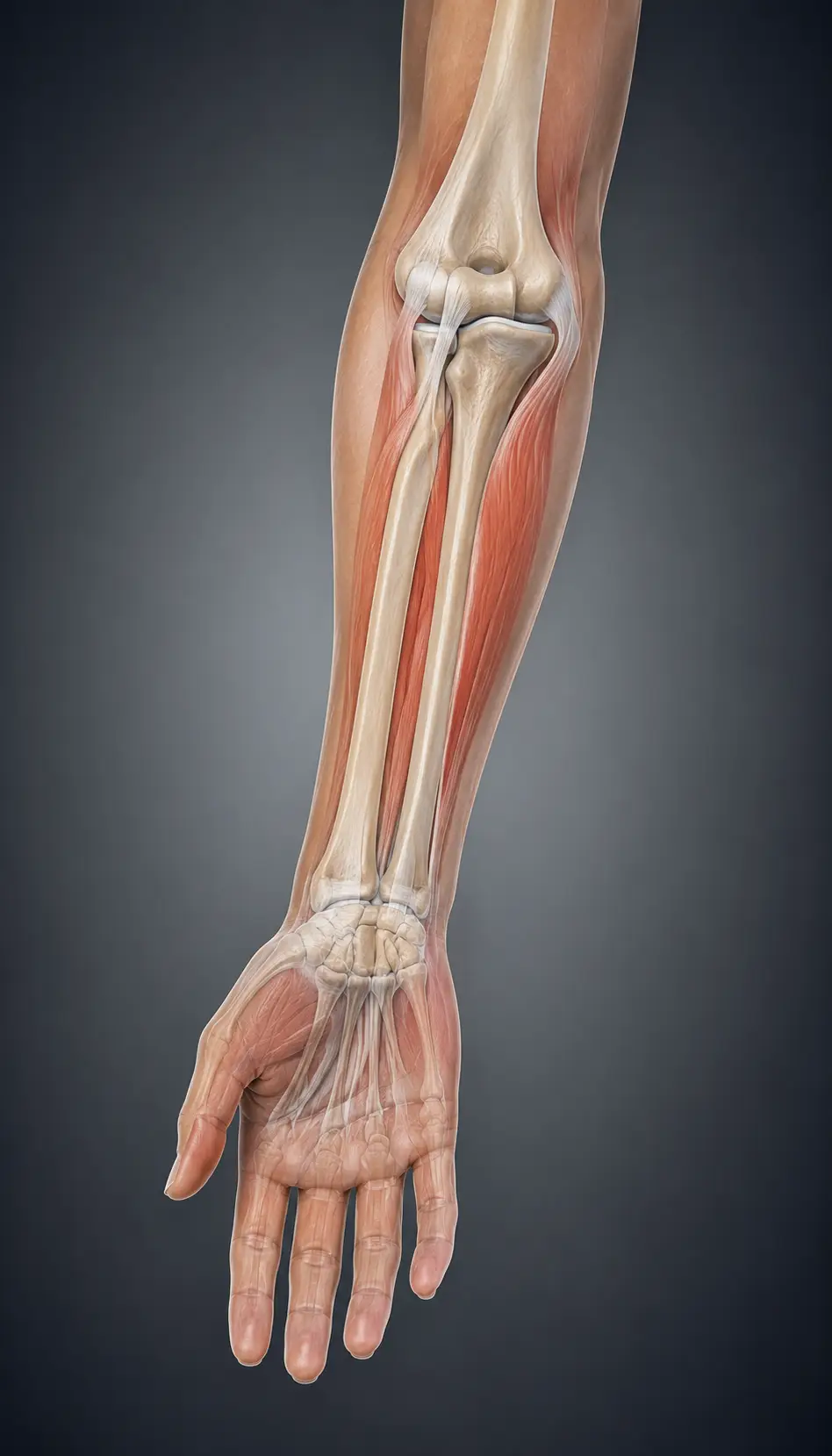
Your hands, wrists, and elbows contain dozens of bones, joints, muscles, tendons, ligaments, and nerves working together with remarkable precision. Unlike your hips or knees — which are designed primarily to generate and absorb force — these joints are designed to control it. Small changes in one tendon, joint, ligament, or nerve can make surprisingly simple activities frustrating or painful.
The elbow serves as the bridge between strength and precision, positioning the hand while transmitting forces generated by the shoulder and forearm. Because these structures work so closely together, pain isn’t always felt where the problem begins. Thumb pain may originate from arthritis in the joint at its base. Elbow pain may begin in an overworked tendon. Hand numbness may involve irritation of a nerve higher in the arm — or even in the neck.
Understanding which tissue is actually responsible is one of the most important parts of building the right treatment plan.
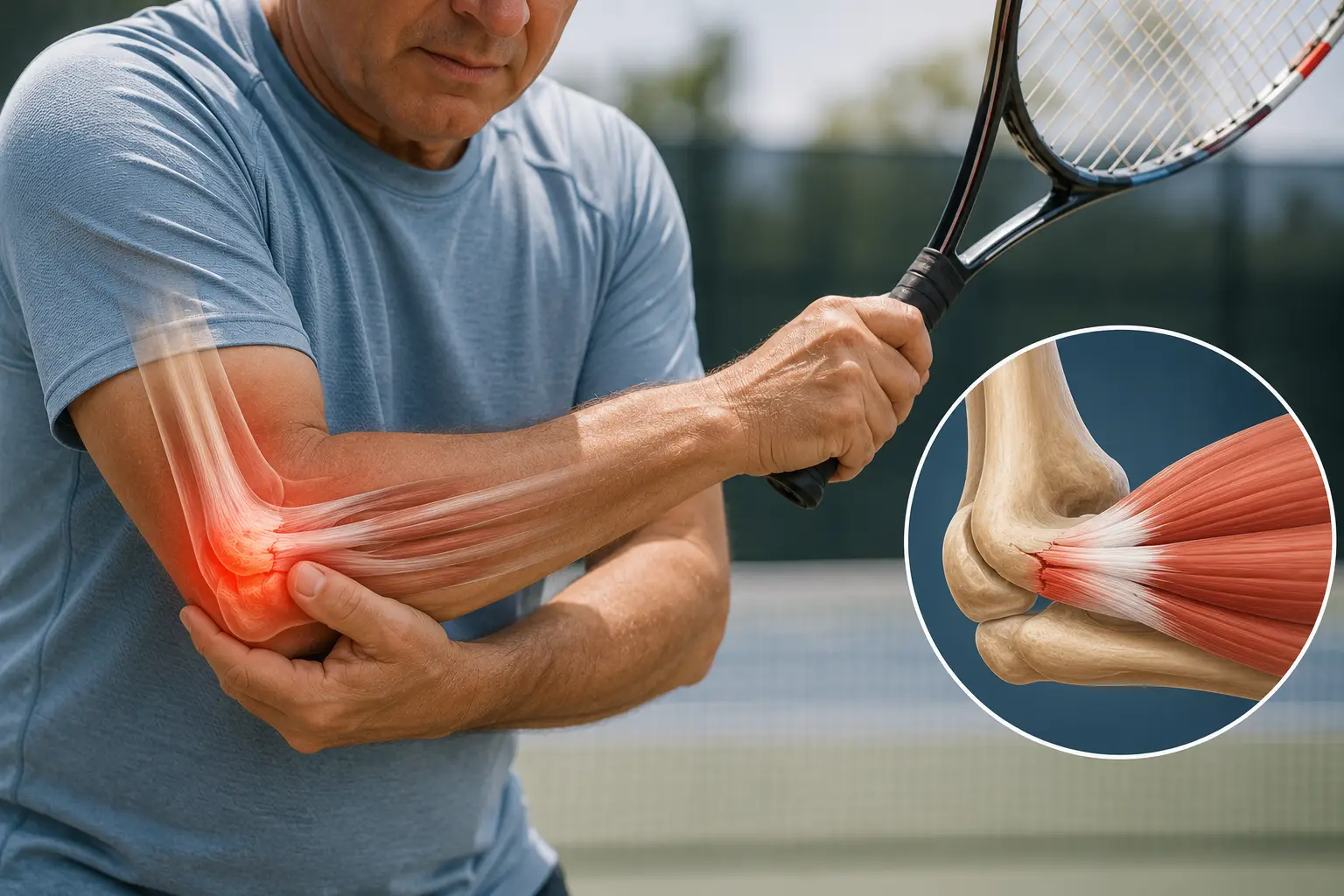
Despite its name, tennis elbow affects far more people than tennis players. Also known as lateral epicondylitis, it develops when the tendons attaching to the outside of the elbow become overloaded through repetitive gripping, lifting, twisting, or wrist extension — common in office work, manual labor, and many sports. Many people first notice pain while opening jars, shaking hands, lifting objects, or using tools.
Because tendons receive a more limited blood supply than muscles, they often require a different healing environment than most people expect. Understanding why the tendon stopped recovering is often more important than simply calming the pain — and it’s the difference between resolving the problem and managing it indefinitely.
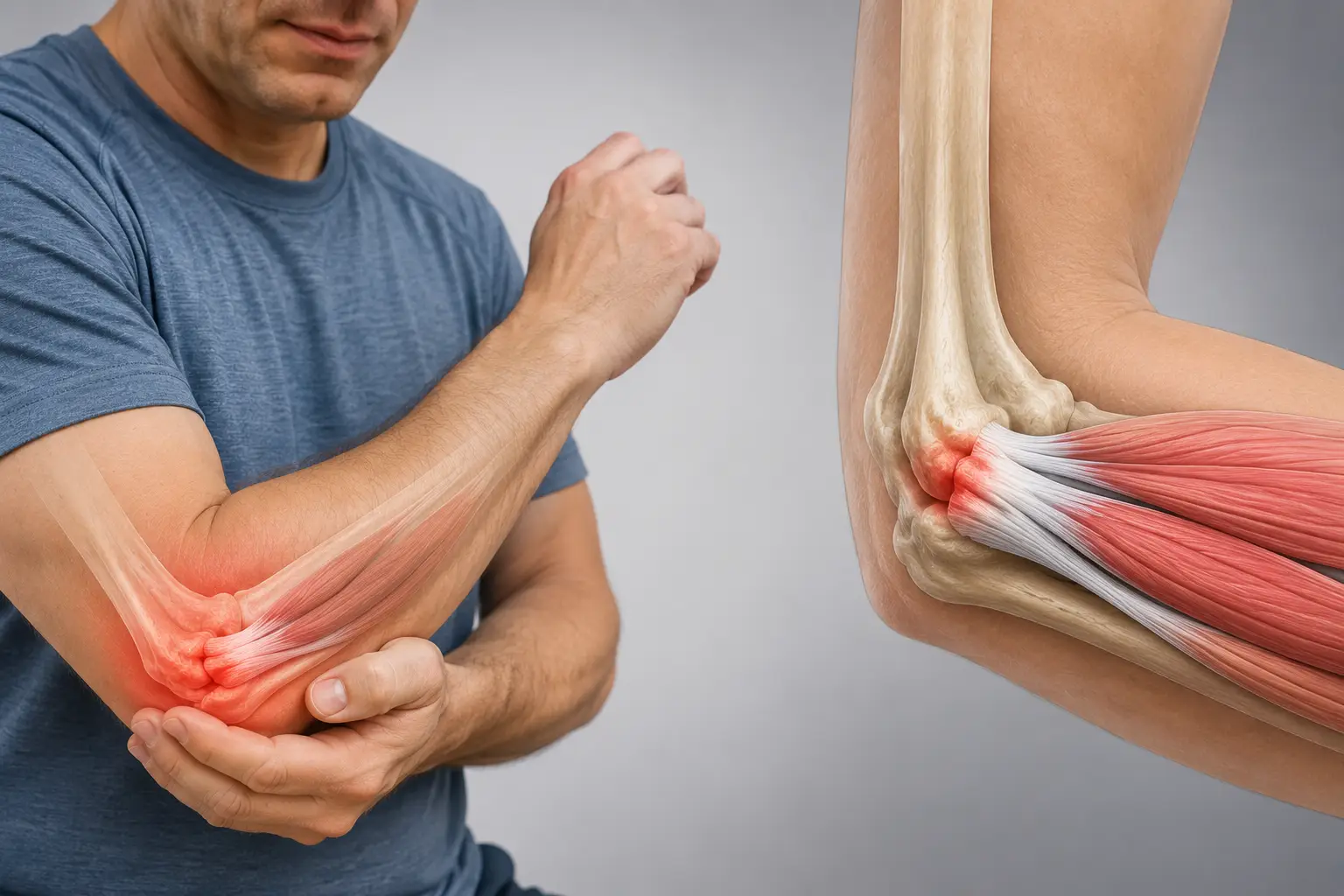
Golfer’s elbow affects the tendons on the inside of the elbow. Although commonly associated with golf, it develops just as frequently through repetitive gripping, lifting, typing, manual labor, weight training, or racquet sports. Pain is typically felt along the inner portion of the elbow and may radiate into the forearm during gripping or lifting activities.
Like tennis elbow, successful treatment depends on understanding why the tendon became overloaded — not simply reducing discomfort in the short term.
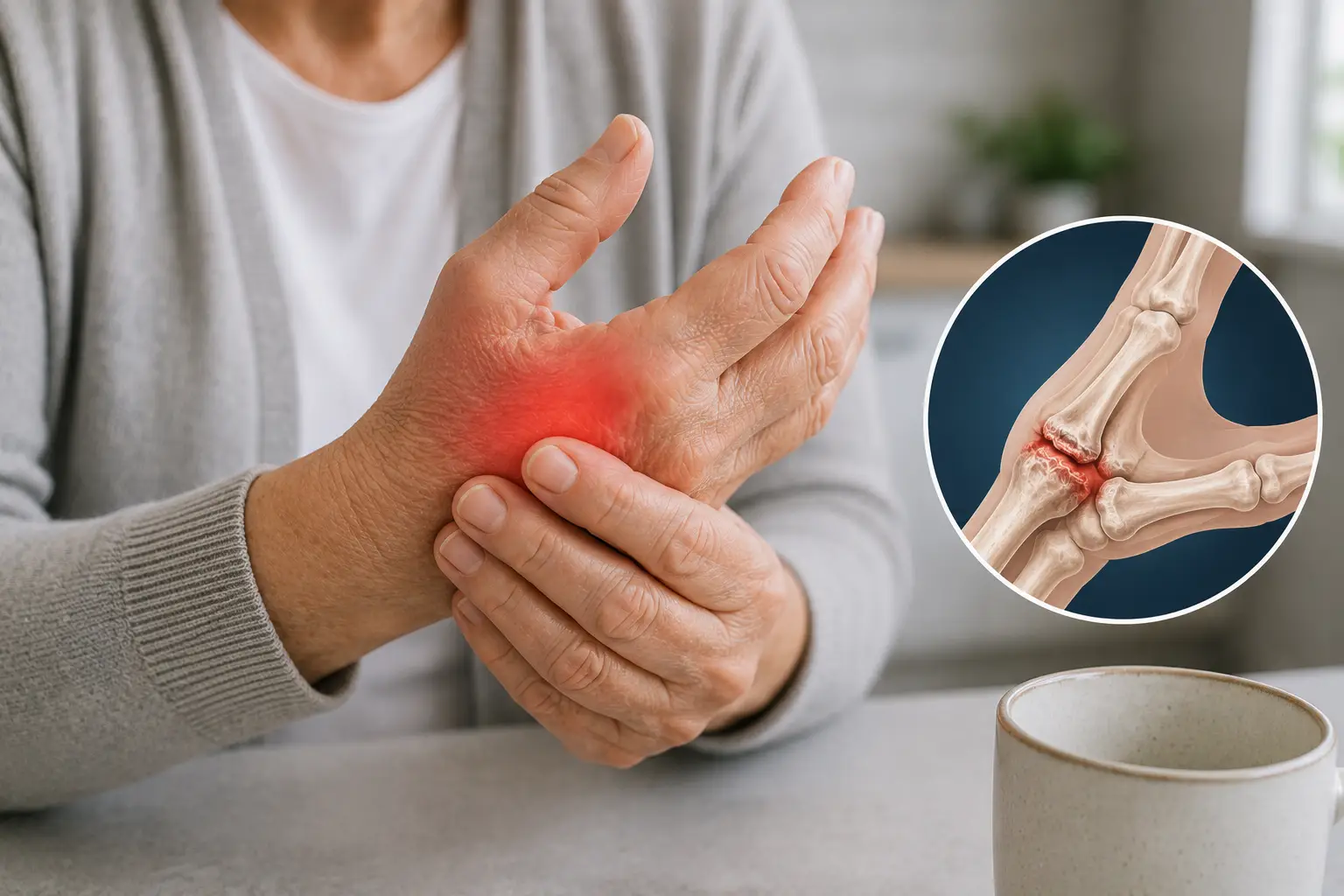
Your thumb is responsible for an extraordinary amount of what your hand accomplishes every day. The carpometacarpal (CMC) joint at its base allows you to pinch, grasp, twist, and grip with remarkable precision — and that same mobility places tremendous stress on the joint over time. As cartilage gradually wears away, everyday activities like opening jars, turning keys, fastening buttons, or holding a phone may become increasingly painful.
Many people assume thumb arthritis is simply something they must learn to live with. Understanding why the joint is breaking down — and what options exist before symptoms become severe — is an important part of protecting long-term hand function.
Wrist pain can originate from joints, tendons, ligaments, nerves, arthritis, or previous injuries. Because the wrist contains multiple small bones working together in a highly coordinated system, identifying the exact source of pain isn’t always straightforward. Some conditions develop suddenly after a fall. Others appear gradually through repetitive movement, occupational demands, or years of accumulated stress.
Left unaddressed, many wrist conditions narrow the range of activities a person can comfortably perform over time — which is why understanding the source matters as much as managing the symptoms.
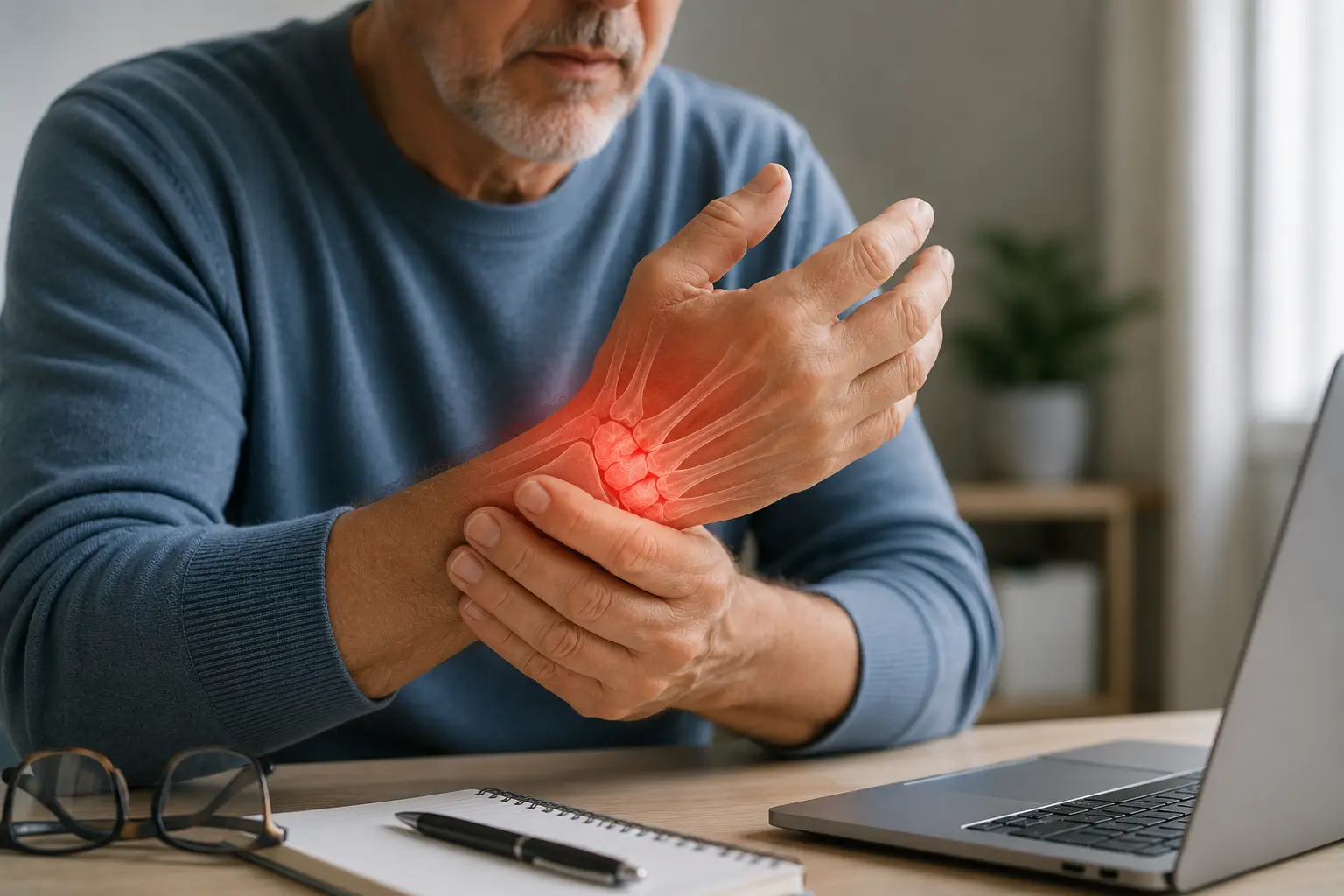

Hand and elbow conditions often produce overlapping symptoms even when the underlying causes are very different. Common patterns include elbow pain, thumb pain, wrist pain, pain while gripping, weakness, difficulty opening jars or lifting, stiffness, tenderness, reduced grip strength, and difficulty performing fine motor tasks.
These symptoms provide valuable clues — but identifying the tissue responsible requires a careful evaluation.
Hand and elbow pain rarely develops because of a single event. More often it reflects the combined effects of repetitive gripping, occupational demands, sports participation, previous injuries, arthritis, tendon overload, muscle weakness, and the cumulative effects of time and use.
Because these joints perform thousands of repetitive movements every day, even small mechanical changes can gradually exceed the body’s ability to repair tissue as quickly as it’s being stressed. This is one reason two people with similar imaging findings can experience very different symptoms — and why treatment built around the individual rather than imaging alone consistently produces better outcomes.

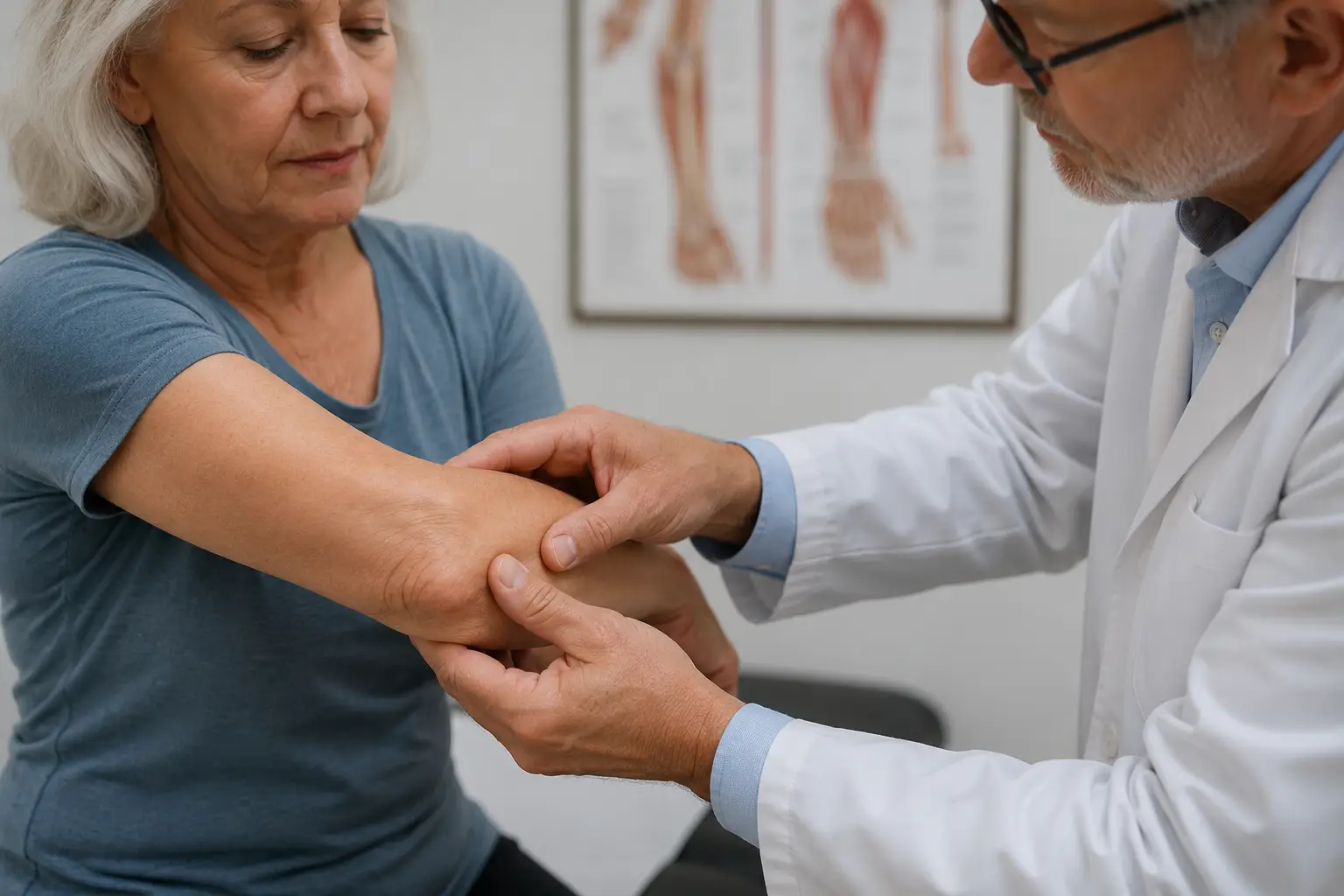
A thorough evaluation begins by understanding your history. Your provider will discuss when your symptoms began, where you feel pain, which activities reproduce it, previous injuries, occupational demands, hobbies, and what you’ve already tried.
A detailed orthopedic examination evaluates grip strength, flexibility, joint stability, tendon function, nerve function, and range of motion — including the relationship between the hand, wrist, elbow, shoulder, and neck. Because pain doesn’t always originate where it’s felt, the evaluation considers the entire movement system, not simply the painful joint. Imaging is ordered when it will meaningfully contribute to the diagnosis or influence treatment, not as a routine first step.
Every hand and elbow problem tells a different story, and treatment begins by understanding yours.
After a comprehensive orthopedic evaluation, your provider will discuss which path makes the most sense — whether that’s conservative rehabilitation, referral for surgical consultation, or regenerative medicine designed to support healing within the affected tissues rather than simply manage symptoms. For patients where broader factors may be influencing healing or recovery, a Total360 Discovery evaluation may also be recommended.
To learn more about how we approach hand and elbow pain and what regenerative treatment looks like, visit our Regenerative Medicine page.

No. Most people with tennis elbow have never played tennis. It’s commonly caused by repetitive gripping, lifting, twisting, or wrist movements — which is why it shows up frequently in office workers, tradespeople, and anyone who performs repetitive hand or arm activities.
Both involve overloaded tendons at the elbow, but tennis elbow affects the outside while golfer’s elbow affects the inside. They involve different muscle groups and movement patterns — and respond to treatment differently, which is why distinguishing between them matters.
The thumb contributes to nearly every gripping and pinching movement your hand performs. Even relatively early arthritis can significantly affect daily activities because the joint is involved in so much of what the hand does — which is also why addressing it before symptoms become severe creates more options for treatment.
Yes. Wrist pain may originate from the wrist itself, nearby tendons or ligaments, irritated nerves, or even conditions affecting the elbow or neck. This is one reason wrist pain that doesn’t respond to local treatment deserves a broader evaluation.
Many patients with chronic hand or elbow pain may be candidates — but not everyone is. Your evaluation will help determine whether regenerative medicine is appropriate for your specific condition, and your provider will give you an honest picture of what it’s likely to accomplish.
A personalized evaluation can identify the source of your symptoms, explain your options clearly, and help determine the most appropriate path forward for your goals.
Enter your information below to learn how we've helped thousands treat the root source of their pain and helped them truly heal by triggering the body's innate healing system.